
Understanding the Latest Trends in Energy-Efficient Electrical Solutions
Introduction to Energy-Efficient Electrical Solutions
As global energy demands continue to rise, the need for energy-efficient electrical solutions has never been more crucial. These innovations not only help reduce electricity consumption but also play a significant role in combating climate change. This post will explore the latest trends in energy-efficient electrical technologies, highlighting their benefits and potential impact on both consumers and the environment.
Smart Home Technologies
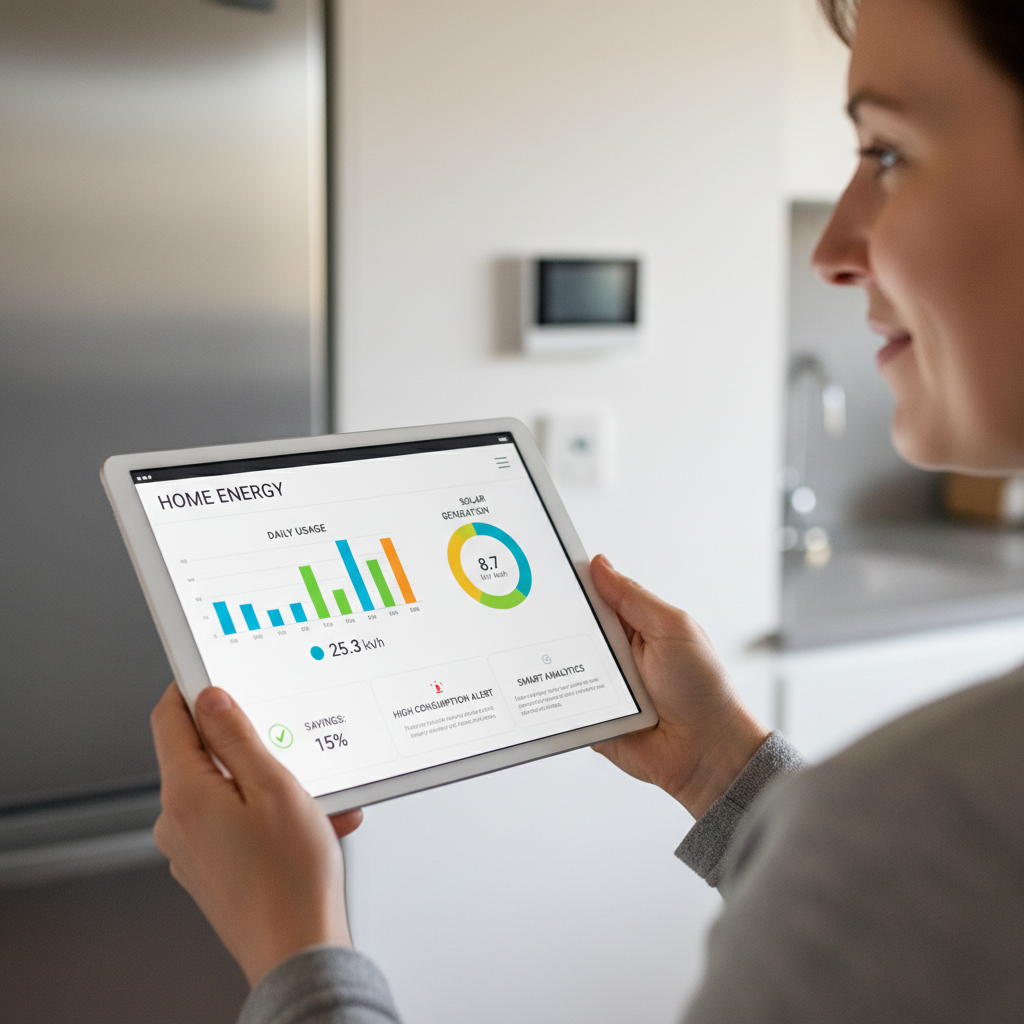
One of the most prominent trends in energy-efficient solutions is the integration of smart home technologies. These systems use advanced algorithms and sensors to optimize energy usage in real time. By controlling lighting, heating, and cooling systems more effectively, smart home devices can significantly reduce energy waste, leading to lower utility bills and a smaller carbon footprint.
For example, smart thermostats learn from user behavior and adjust temperatures accordingly, ensuring that energy is only used when necessary. Similarly, smart lighting systems can automatically adjust brightness based on natural light availability, further enhancing energy efficiency.
LED Lighting Advancements
LED lighting has been at the forefront of energy-efficient solutions for several years. Recent advancements in LED technology have made these lights even more efficient, with longer lifespans and improved performance. LEDs consume far less electricity compared to traditional incandescent bulbs, which means they not only save energy but also reduce the frequency of replacements.

Additionally, smart LED lights can be integrated into home automation systems, allowing users to control them remotely through smartphones or voice commands. This integration offers further opportunities for energy savings by ensuring lights are only used when needed.
Energy Storage Innovations
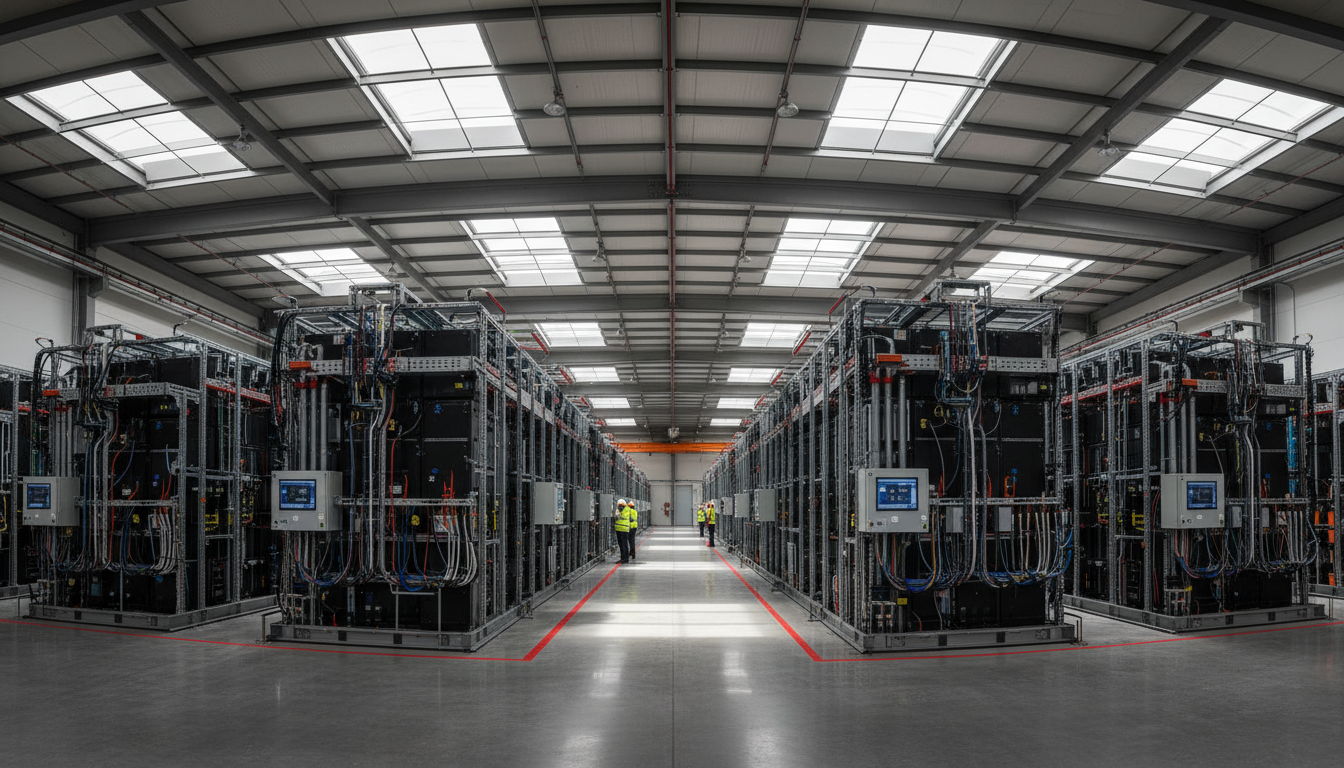
Energy storage technologies are also evolving rapidly, offering new ways to harness and utilize renewable energy more effectively. Modern battery systems, such as lithium-ion and flow batteries, allow for efficient storage of solar and wind energy, making it possible to use renewable energy even when the sun isn't shining or the wind isn't blowing.
These storage solutions are vital for achieving a stable and reliable energy supply, especially in areas prone to power fluctuations. By storing excess energy during peak production times, consumers can reduce their reliance on grid power and lower their overall energy costs.
Electric Vehicles and Charging Infrastructure
The rise of electric vehicles (EVs) has spurred significant advancements in energy-efficient electrical solutions. As more consumers adopt EVs, the demand for efficient charging infrastructure has grown. Innovations in fast-charging technologies and the development of smart charging systems are crucial for supporting this transition.
Smart charging stations can optimize charging times based on electricity demand and availability, ensuring that EVs are charged during off-peak hours when energy rates are lower. This approach not only benefits consumers but also helps balance the load on the electrical grid.
Conclusion
In conclusion, the latest trends in energy-efficient electrical solutions are paving the way for a more sustainable future. From smart home technologies and advanced LED lighting to innovative energy storage and charging infrastructure, these solutions offer numerous benefits for consumers and the environment alike. By embracing these technologies, we can significantly reduce our energy consumption and contribute to a greener planet.