
Understanding Electrical System Maintenance for Commercial Spaces
Introduction to Electrical System Maintenance
Maintaining the electrical systems in commercial spaces is crucial for ensuring safety, efficiency, and longevity. Regular maintenance not only helps in preventing unexpected failures but also ensures compliance with safety standards. Understanding the essentials of electrical system maintenance can save businesses time and money in the long run.
Importance of Regular Inspections
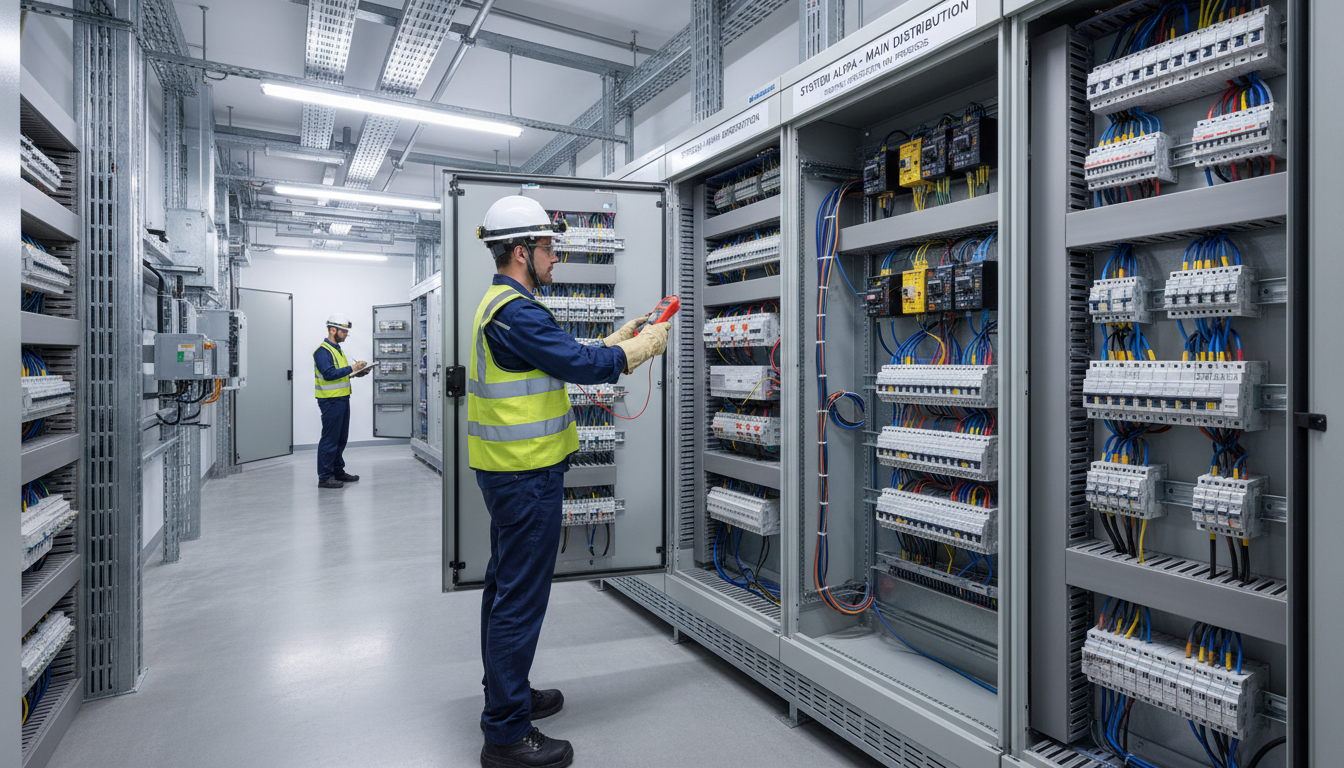
Regular inspections are the cornerstone of effective electrical maintenance. These inspections help identify potential hazards such as faulty wiring, overloaded circuits, and outdated equipment. By addressing these issues proactively, businesses can prevent costly repairs and downtime.
Frequency of Inspections
It's recommended that commercial spaces undergo electrical inspections at least once a year. However, the frequency might increase depending on the complexity of the electrical systems and the nature of the business. High-risk environments may require more frequent checks.
Components of Electrical System Maintenance
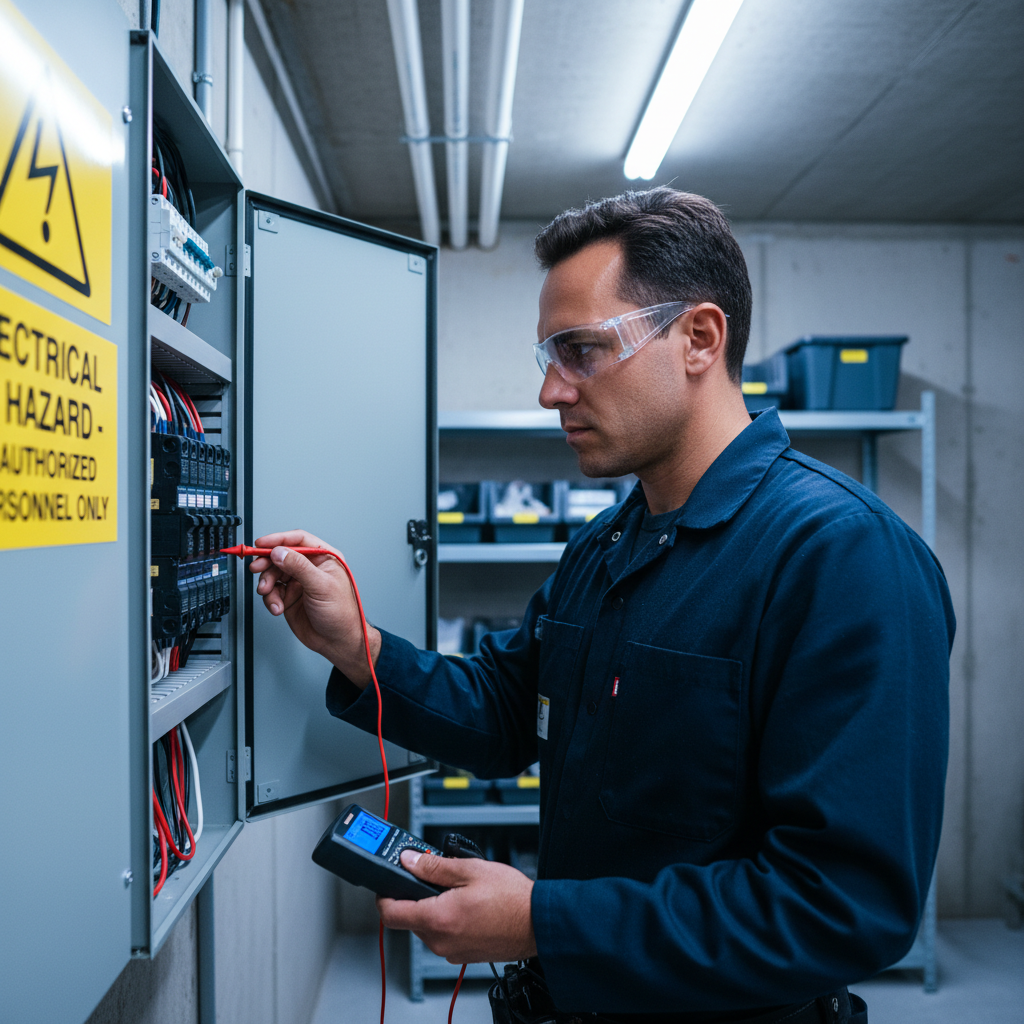
Understanding the different components involved in electrical maintenance can help businesses better manage their systems. Key areas include:
- Wiring and Connections: Regular checks for wear and tear can prevent short circuits.
- Load Balancing: Ensuring that electrical loads are evenly distributed prevents overloading.
- Equipment Testing: Testing critical equipment ensures they function correctly during power surges or outages.
Testing and Calibration
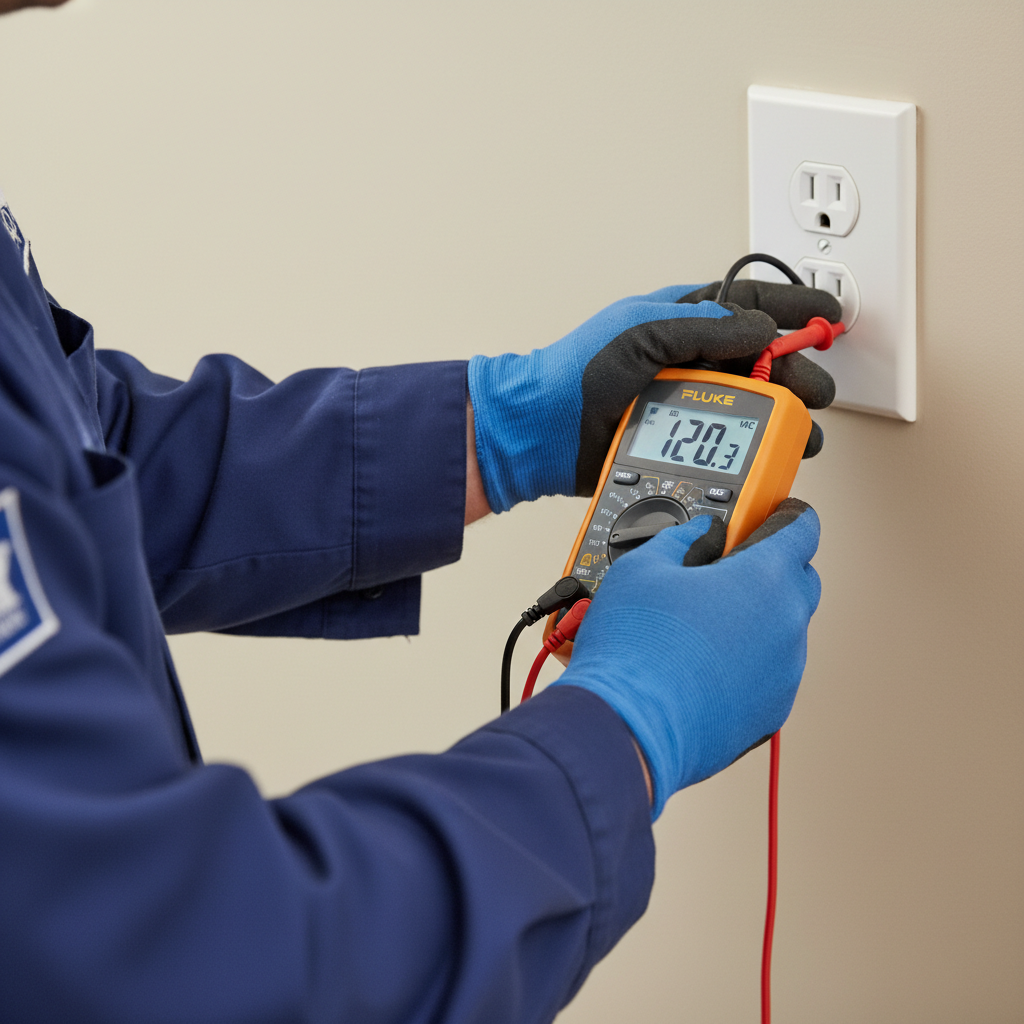
Testing and calibration are vital for maintaining the accuracy and functionality of electrical components. This process involves using specialized equipment to ensure that all parts of the system are operating within their specified parameters.
Benefits of Professional Maintenance Services
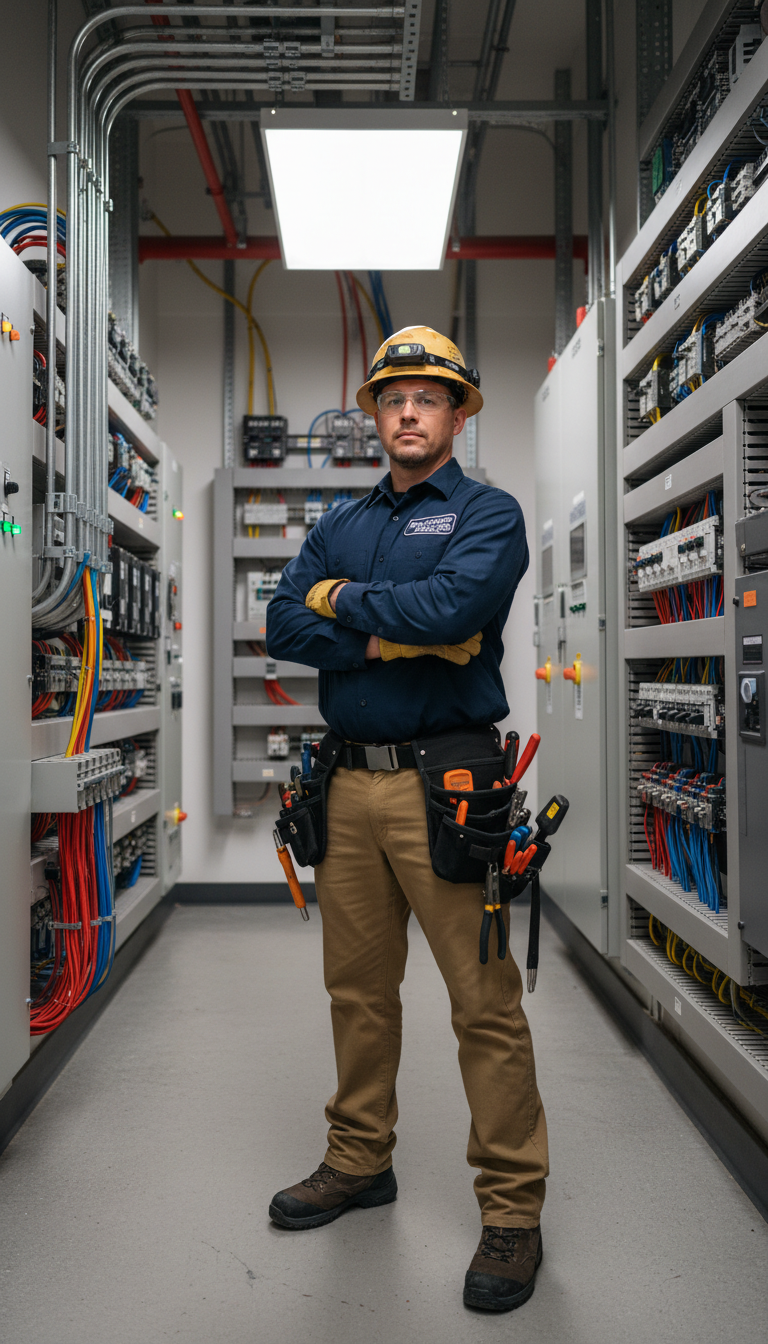
While some maintenance tasks can be handled in-house, professional services provide comprehensive solutions. These experts bring specialized knowledge and tools, ensuring that all aspects of the electrical system are thoroughly examined and maintained.
Cost-Effectiveness
Investing in professional maintenance can be cost-effective in the long term. By preventing major breakdowns and ensuring systems run efficiently, businesses can reduce operational costs and extend the lifespan of their electrical systems.
Conclusion
In conclusion, understanding and implementing regular electrical system maintenance is essential for every commercial space. It not only ensures safety and compliance but also enhances the overall efficiency of business operations. By prioritizing regular inspections, testing, and professional services, businesses can create a safe and reliable environment for their employees and clients.