
Top 5 Electrical Myths Debunked by Professionals
Myth 1: Electrical Devices Don’t Consume Power When Turned Off
One of the most common myths is that electrical devices don't use power when they're turned off. In reality, many devices continue to draw a small amount of electricity even when not in active use. This phenomenon is known as "phantom load" or "standby power." Devices like televisions, microwaves, and chargers can collectively add up to a significant portion of your electricity bill.
To mitigate this, consider unplugging devices or using power strips to cut off power when not in use. This simple action can lead to noticeable savings on your energy expenses.
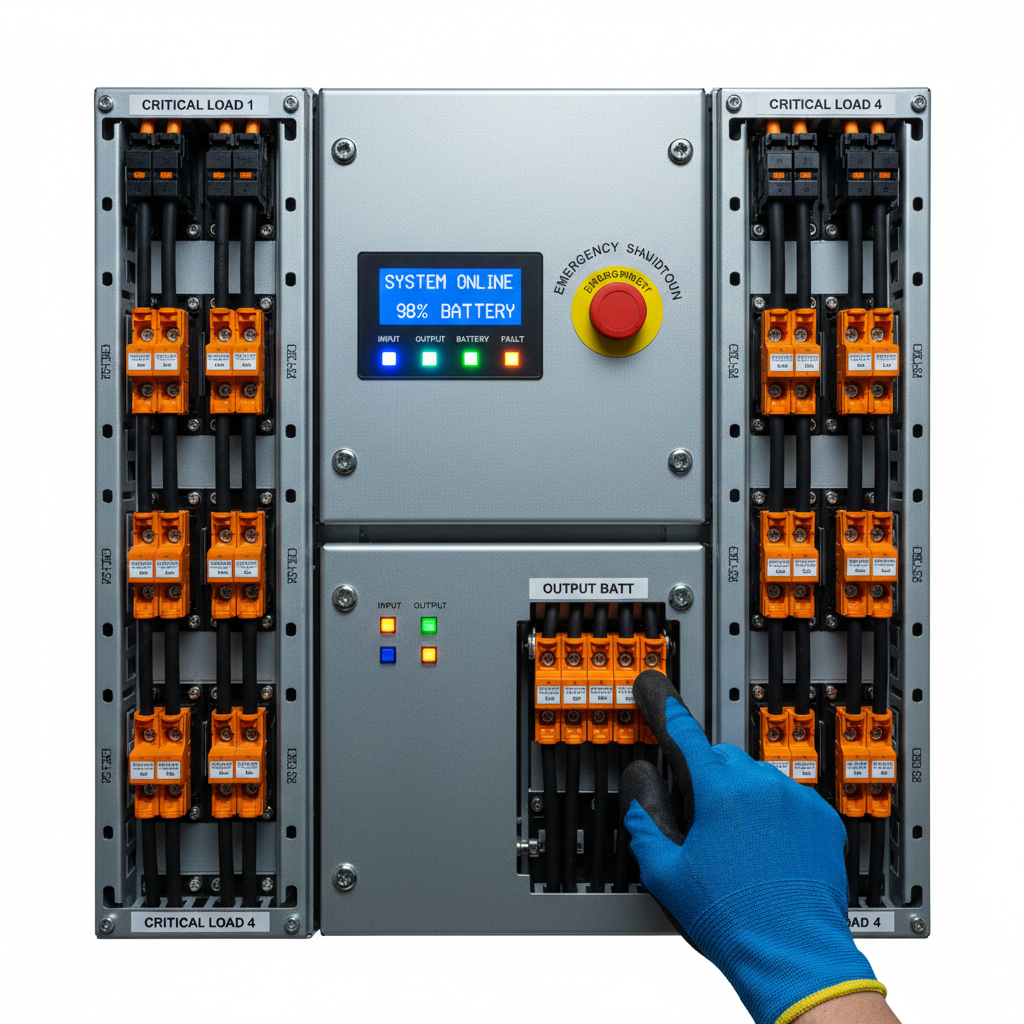
Why Standby Power Occurs
Standby power is primarily due to the design of modern electronics that require constant power for features like remote control operation, digital displays, and network connectivity. While these features add convenience, they also contribute to energy consumption.
Myth 2: Low Voltage Means Low Risk
Another dangerous misconception is that low voltage systems are inherently safe. While low voltage systems, such as those used in doorbells or LED lighting, are generally less hazardous than standard voltage systems, they still pose risks. Electric shock, short circuits, and fire hazards can occur if these systems are not installed or maintained correctly.
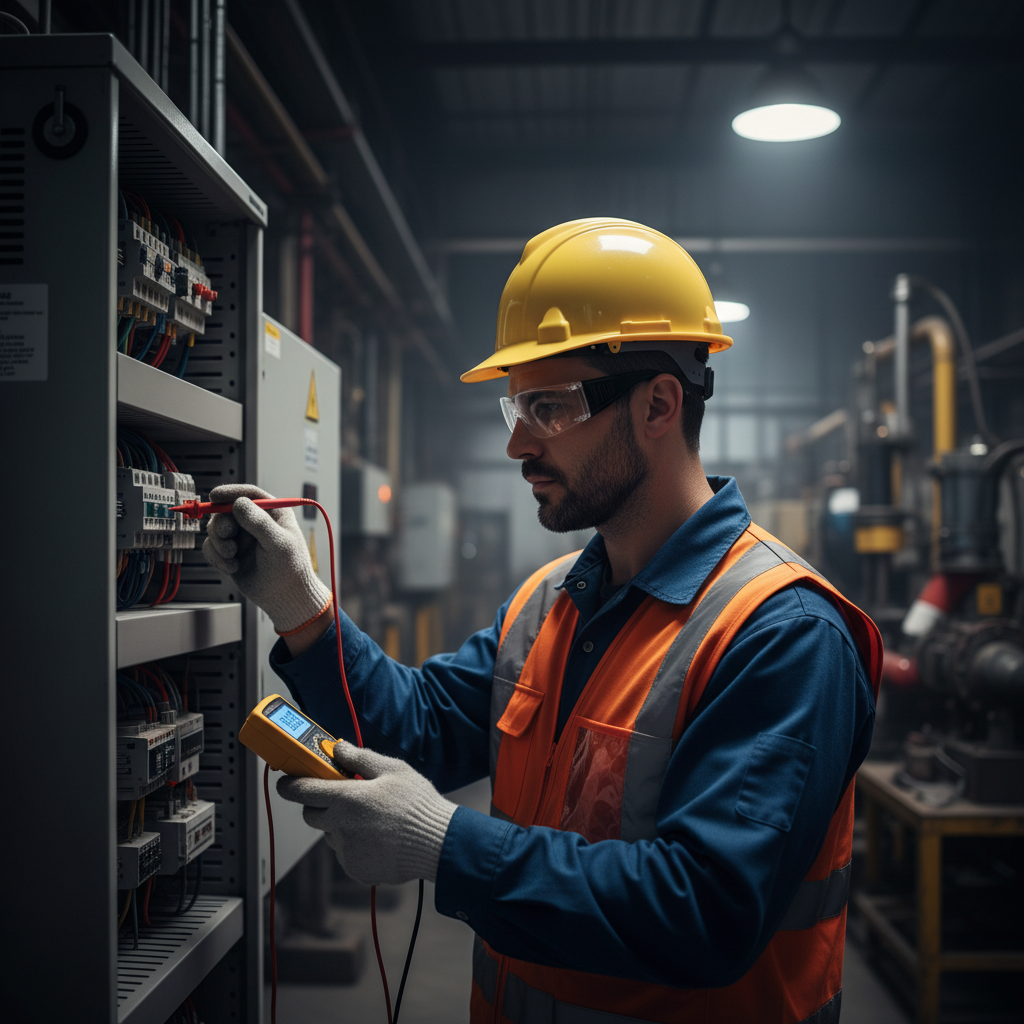
Understanding the Risks
Even though the voltage is lower, the current can still be enough to cause harm. It's essential to treat all electrical systems with care and respect, using proper safety measures and consulting professionals when in doubt.
Myth 3: Wiring Only Needs Attention During Renovations
Many people believe that electrical wiring only requires attention during home renovations or when visible problems arise. However, wiring systems can degrade over time due to various factors such as wear and tear, rodent damage, or environmental conditions.
Regular inspections by qualified electricians can help identify issues before they become serious problems, ensuring the safety and efficiency of your electrical system.
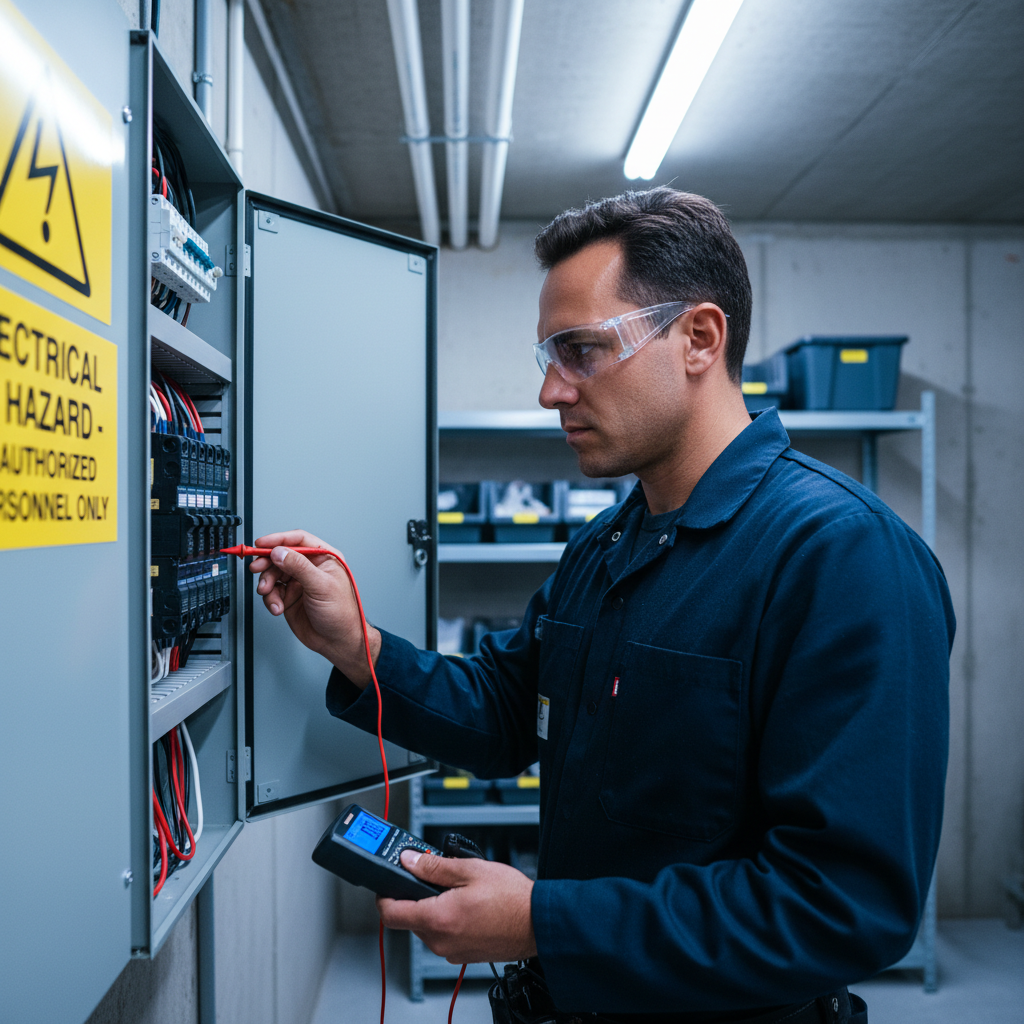
Signs Your Wiring Needs Attention
Look for signs like flickering lights, frequent circuit breaker trips, or unusual odors near outlets. These can indicate underlying problems that require immediate professional attention.
Myth 4: DIY Electrical Work Is Safe and Cost-Effective
While DIY projects can be rewarding, electrical work is not an area where you should cut corners. Without proper knowledge and experience, attempting electrical repairs or installations can lead to safety hazards, code violations, and costly mistakes.
Hiring a licensed electrician ensures that work is done safely and up to code, ultimately saving money and providing peace of mind.
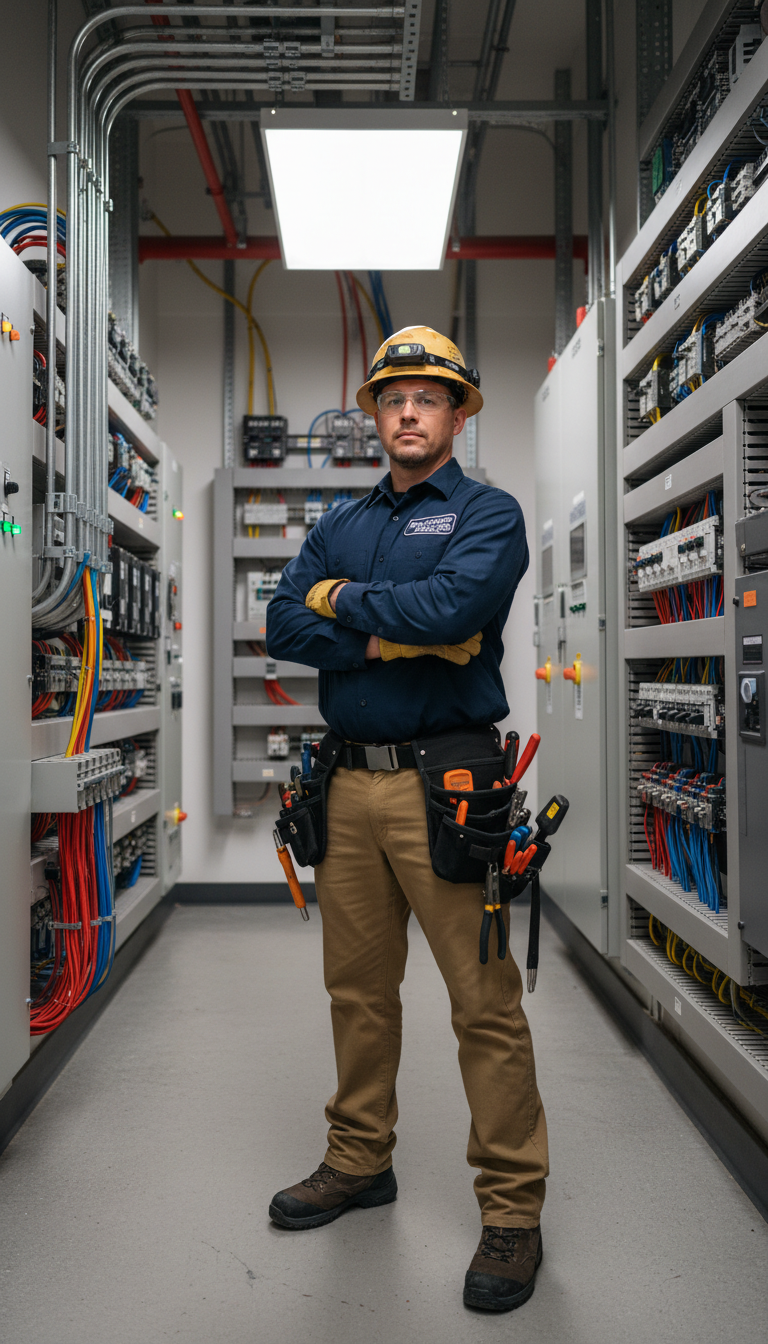
The Importance of Professional Expertise
Electricians undergo rigorous training and certification processes to understand the complexities of electrical systems. Their expertise is invaluable in maintaining safety and compliance with local regulations.
Myth 5: All Power Strips Provide Surge Protection
A common misconception is that all power strips offer surge protection. In reality, many power strips are just extension cords with multiple outlets and lack any form of surge protection. Surge protectors are specifically designed to protect against voltage spikes that can damage electronic equipment.
When purchasing a power strip, look for those labeled as "surge protectors" and check their specifications to ensure they meet your needs.
Choosing the Right Equipment
Consider factors like the joule rating, which indicates the energy absorption capacity, and additional features such as USB ports or indicator lights. Investing in quality surge protectors can prolong the life of your electronics and prevent costly damage.