
The Ultimate Guide to Warehouse Wiring: Ensuring Safety and Efficiency
Understanding Warehouse Wiring
Warehouse wiring is a crucial aspect of maintaining a safe and efficient operational environment. Proper wiring ensures that all electrical systems function seamlessly, minimizing the risk of accidents and downtime. Understanding the basics of warehouse wiring can help you make informed decisions about installation and maintenance.
Before diving into specifics, it’s essential to recognize the importance of adhering to local electrical codes and standards. These regulations are designed to promote safety and prevent hazards such as electrical fires and equipment failures.

Components of Warehouse Wiring
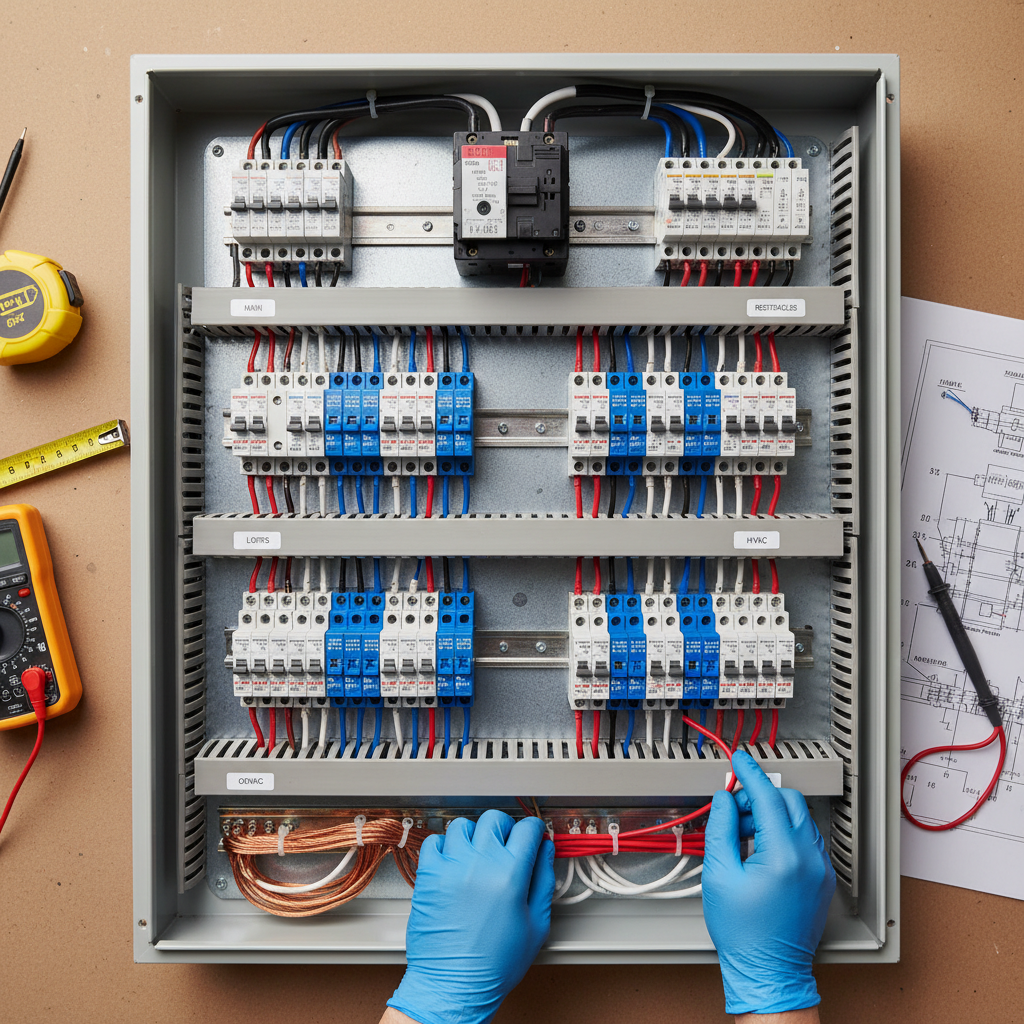
Several key components make up a warehouse's electrical system. These include distribution panels, conduits, wiring, switches, and outlets. Each component plays a unique role in ensuring electricity is distributed safely and efficiently throughout the facility.
Distribution panels act as the hub of the electrical system, directing electricity to various circuits. It’s crucial to ensure they are installed correctly and are easily accessible for maintenance. Regular inspections are recommended to prevent potential issues.
Choosing the Right Wiring
Selecting the appropriate type of wiring is vital for safety and efficiency. Factors to consider include the warehouse's size, the electrical load, and environmental conditions such as temperature and humidity. Common types of wiring used in warehouses include copper and aluminum, each with its pros and cons.
Copper wiring is known for its durability and excellent conductivity, making it a popular choice. However, aluminum wiring can be more cost-effective for large-scale installations, though it may require additional safety precautions.
Ensuring Safety in Warehouse Wiring
Safety should always be a top priority when dealing with electrical systems. Implementing thorough safety measures can prevent accidents and ensure smooth operations. Regular training sessions and safety drills can keep employees informed about potential hazards and emergency procedures.

Regular Maintenance and Inspections
Regular maintenance and inspections are critical in identifying and addressing any wiring issues before they escalate. This includes checking for wear and tear, ensuring connections are secure, and making sure all components are functioning correctly.
It's advisable to schedule inspections at least once a year or after any significant changes to the warehouse layout or electrical load. Keeping detailed records of these inspections can help track the system's health over time.
Optimizing Efficiency
Beyond safety, optimizing the efficiency of warehouse wiring can lead to significant cost savings. By using energy-efficient components and smart systems, warehouses can reduce their energy consumption and minimize their carbon footprint.
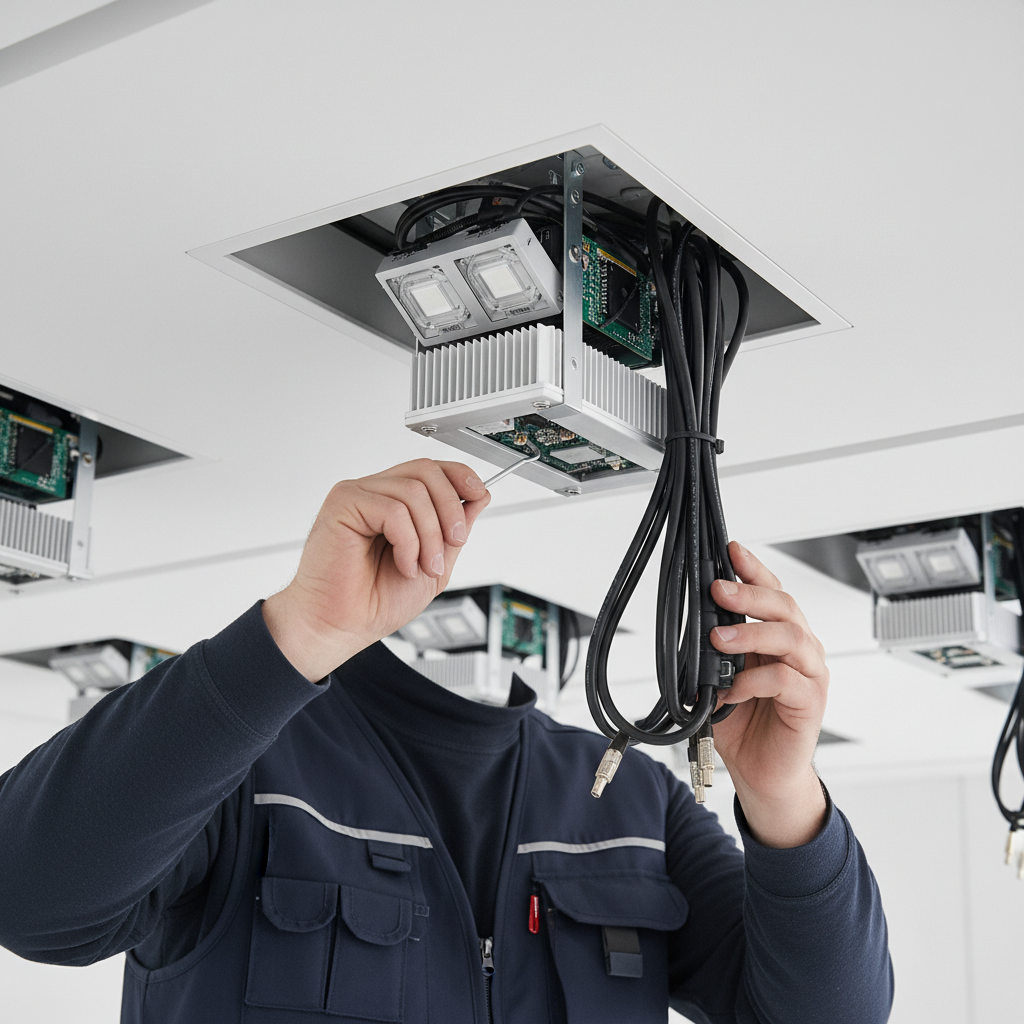
Consider installing LED lighting, motion sensors, and automated systems to enhance efficiency. These technologies not only reduce electricity usage but also improve the overall functionality of the warehouse.
Conclusion
Proper warehouse wiring is essential for ensuring both safety and efficiency in your operations. By understanding the components, choosing the right materials, and implementing regular maintenance, you can create a secure and effective electrical system. Remember, investing in quality wiring solutions today will pay off in the long run by minimizing risks and reducing operational costs.