
Preparing Your Home for Storm Season: Electrical Safety Tips
Understanding the Risks
As storm season approaches, ensuring the safety of your home’s electrical systems is crucial. Storms can bring about power outages, electrical surges, and other hazards that pose risks to your property and family. Understanding these risks is the first step in protecting your home.
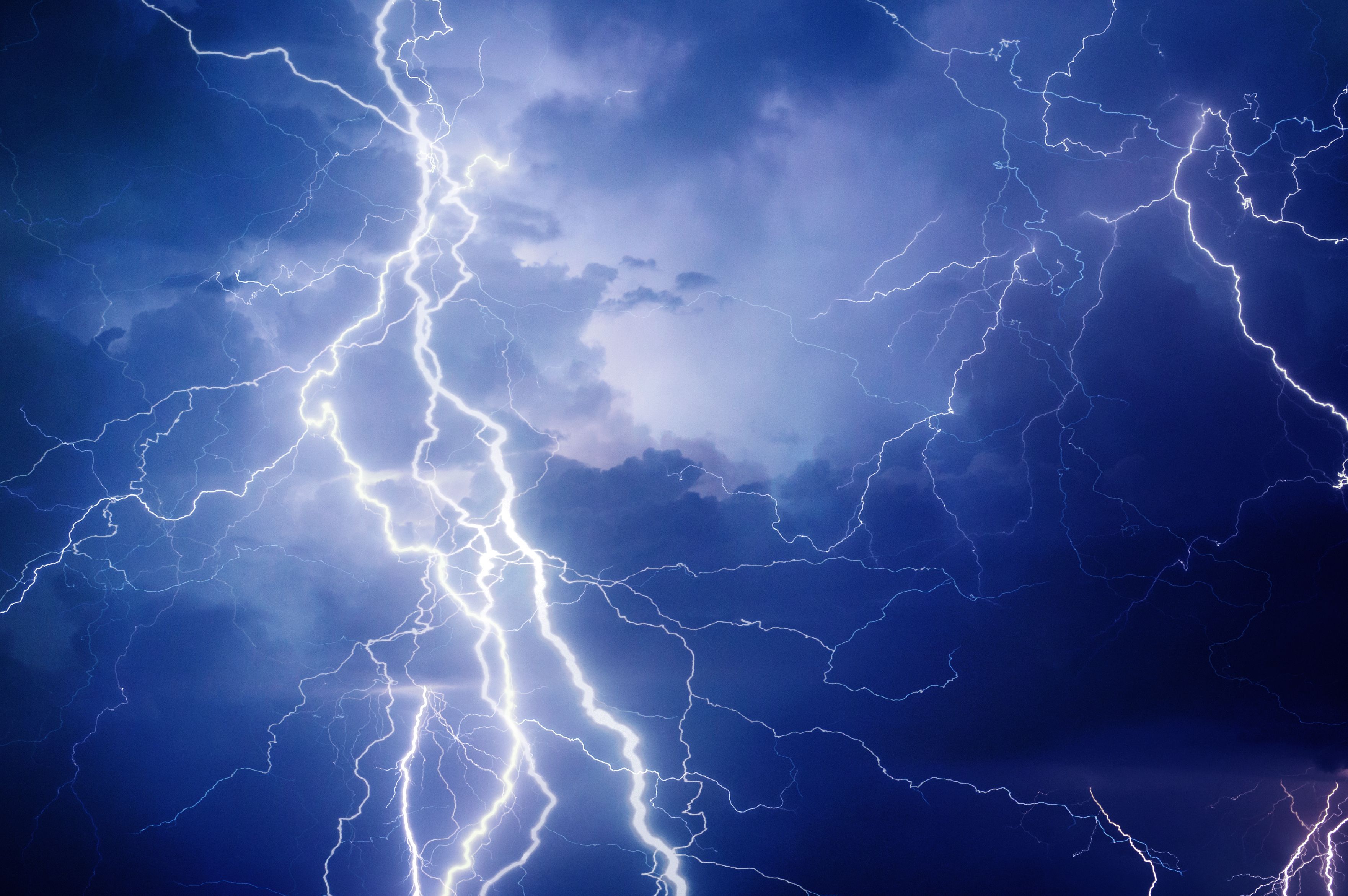
Electrical surges, often caused by lightning strikes, can damage appliances and electronic devices. Additionally, power outages can disrupt daily life and lead to potential hazards when power is restored. Preparing ahead can mitigate these risks and keep your home safe.
Inspecting Your Electrical System
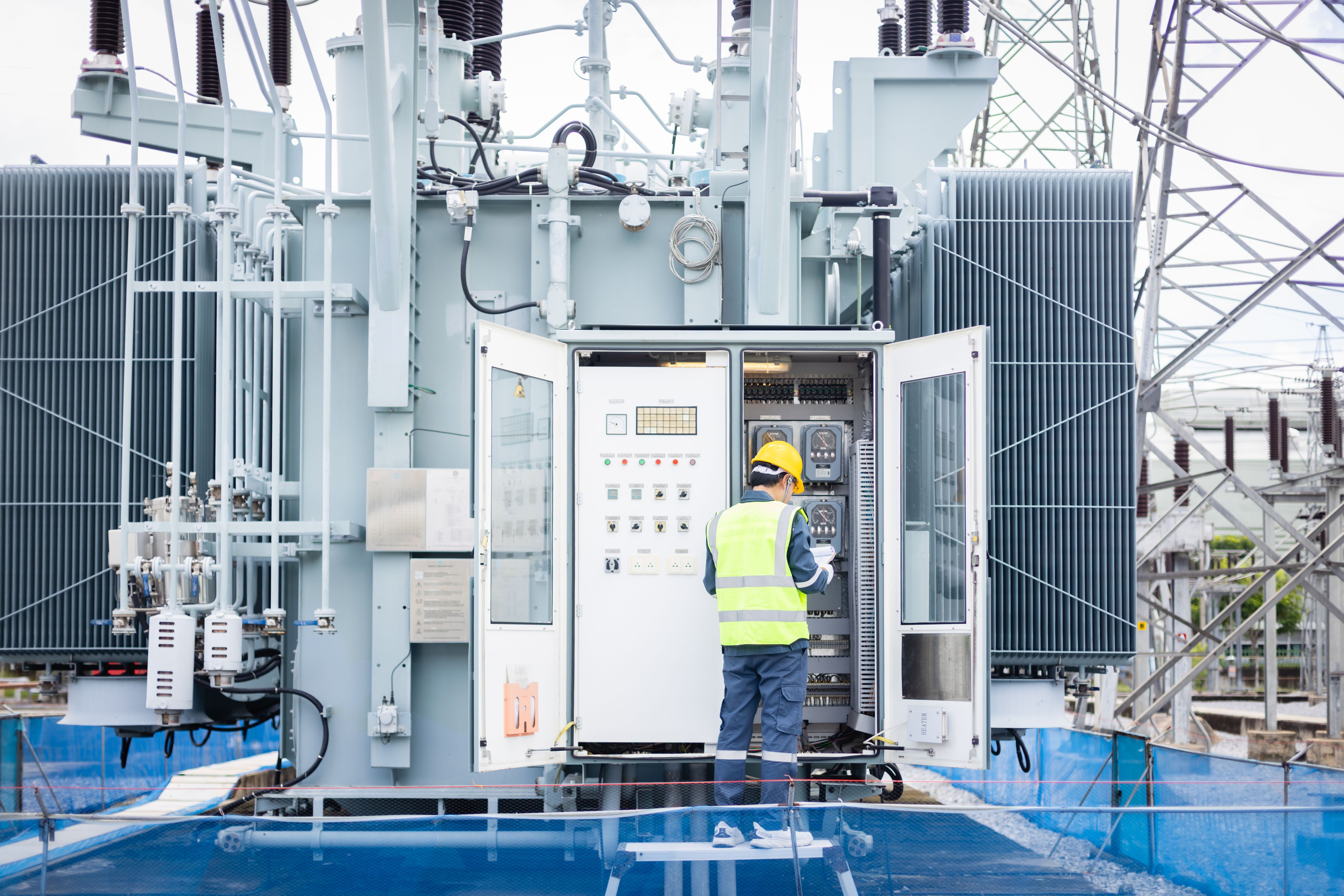
Before the storm season begins, conduct a thorough inspection of your home’s electrical system. Check for loose wires, damaged outlets, and any signs of wear and tear. Hiring a licensed electrician to perform a detailed inspection can provide peace of mind and ensure everything is in working order.
Pay special attention to outdoor electrical systems. Ensure that all outdoor outlets are weatherproof and that any exposed wires are properly insulated. This is particularly important for homes with outdoor lighting or electric-powered gates.
Installing Surge Protectors
Installing surge protectors is one of the most effective ways to safeguard your electronics during a storm. Surge protectors can prevent damage from unexpected voltage spikes and are a wise investment for any home.
- Choose whole-house surge protectors for comprehensive protection.
- Install point-of-use surge protectors for individual devices.
Creating a Storm Safety Kit
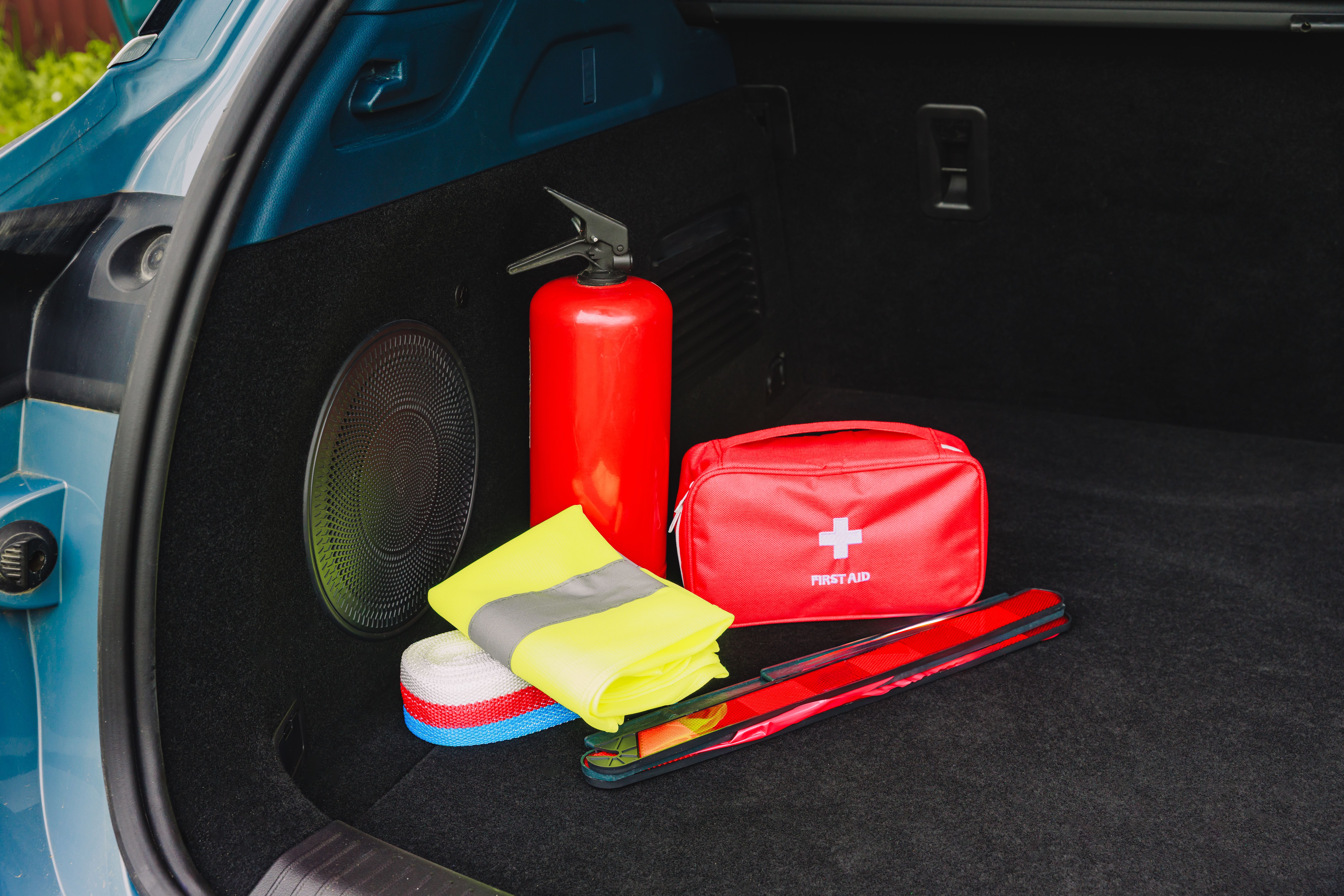
As part of your storm preparation, assemble a storm safety kit. This kit should include essential items such as flashlights, batteries, and a first-aid kit. Additionally, include a battery-powered or hand-crank radio to stay updated on weather conditions.
Ensure that you have an ample supply of non-perishable food and bottled water. Consider adding a portable phone charger to keep communication devices powered during outages.
Developing an Emergency Plan
Developing a comprehensive emergency plan is essential. Ensure that all family members are familiar with the plan, which should include designated safe areas in your home and evacuation routes.
- Identify the safest room in your home for shelter.
- Practice regular emergency drills with your family.
- Keep emergency contact numbers easily accessible.
After the Storm
Once the storm has passed, it’s important to conduct an assessment of your home’s electrical system. Check for any signs of damage, such as burnt outlets or flickering lights. If any issues are detected, contact a professional electrician immediately.
Always prioritize safety and never attempt to repair electrical issues on your own. Waiting for a professional ensures that repairs are done correctly and safely.

By taking these proactive steps, you can better protect your home and loved ones during storm season. Prioritize electrical safety and stay prepared to handle any challenges that may arise.