
DIY Safety Tips: When to Call an Electrician for Residential Wiring
Introduction to DIY Electrical Work
Working on home improvement projects can be an exciting challenge, especially when it involves electrical tasks. However, it's crucial to understand the boundaries of DIY electrical work. While some minor jobs can be tackled safely, others require the expertise of a professional electrician. This article will guide you through essential safety tips and help you determine when it's time to call in an expert.
Understanding Your Limits
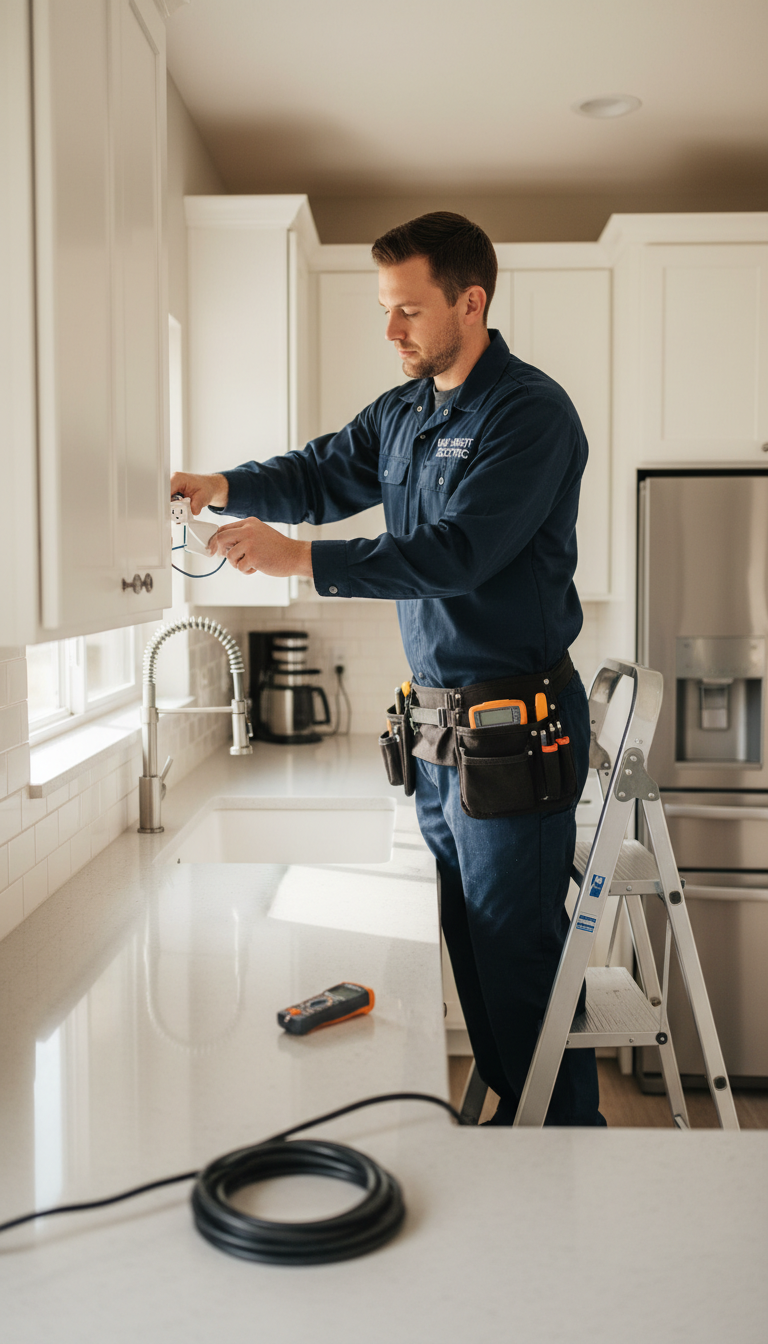
Before diving into any electrical project, it's important to assess your skills and knowledge. Simple tasks like changing a light bulb or replacing an outlet cover are generally safe for most homeowners. However, more complex tasks, such as installing new wiring or upgrading a circuit breaker, should be left to professionals.
Basic Electrical Tasks You Can Do
There are a few basic electrical tasks that most people can handle safely:
- Replacing light bulbs
- Installing battery-operated smoke detectors
- Changing outlet covers or switch plates
These tasks are straightforward and involve minimal risk, as long as you take proper precautions, such as turning off the power at the breaker.
Signs You Need an Electrician
It's essential to recognize the signs that indicate a need for professional help. Ignoring these warnings can lead to dangerous situations, including electrical fires or shocks.
Common Warning Signs
Here are some common indicators that you should call an electrician:
- Frequent circuit breaker trips
- Flickering or dimming lights
- Burning smell or sparks from outlets
- Outlets or switches that feel warm to the touch
If you encounter any of these issues, it's best to contact a licensed electrician as soon as possible.
Safety First: Best Practices for DIY
Even when handling minor electrical tasks, safety should always be your top priority. Here are some essential tips to ensure your safety:
Essential Safety Tips
Follow these guidelines to minimize risks:
- Turn off power: Always switch off the power at the circuit breaker before starting any electrical work.
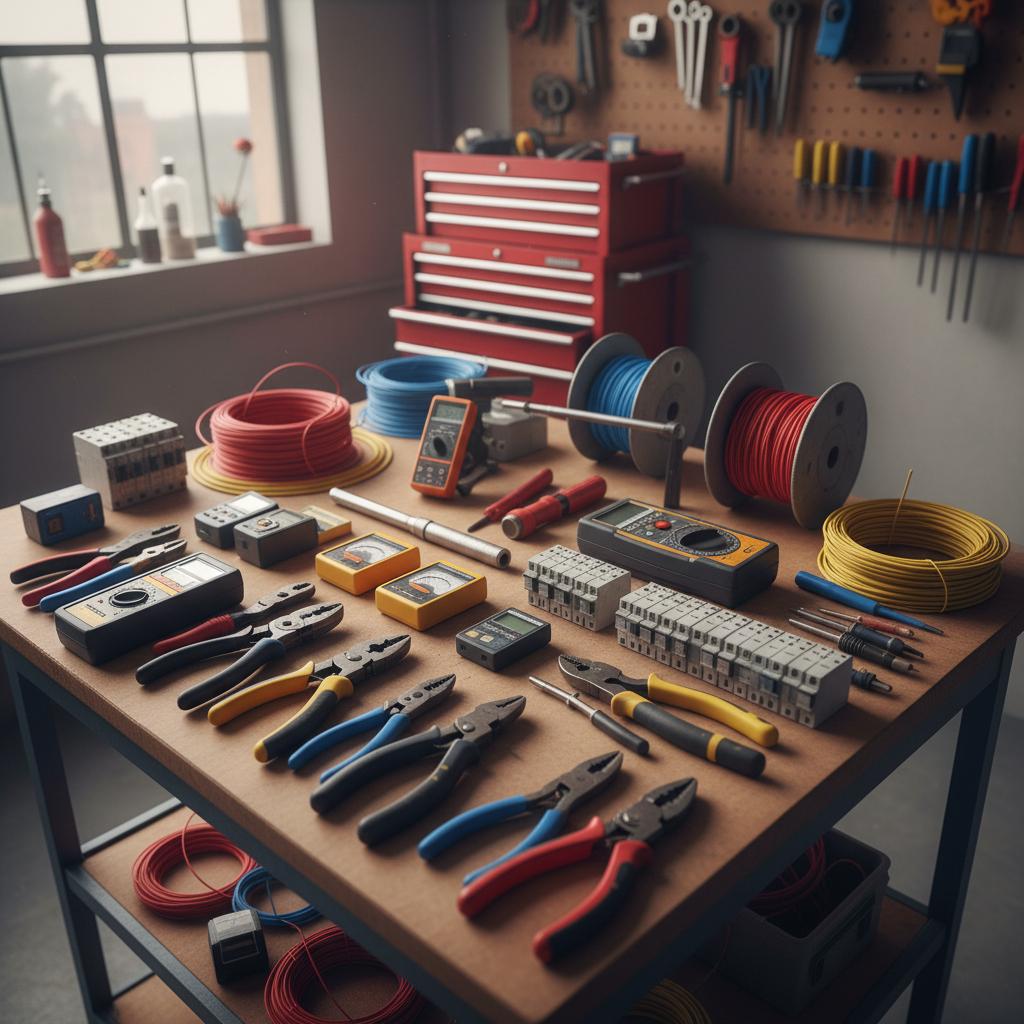
- Use insulated tools: Ensure your tools have proper insulation to prevent electrical shocks.
- Wear safety gear: Use gloves and goggles to protect yourself from potential hazards.
The Benefits of Hiring a Professional
While DIY projects can be fulfilling, there are significant advantages to hiring a professional electrician for more complex tasks. Not only do they have the necessary expertise and tools, but they also ensure your home adheres to electrical codes, enhancing safety and efficiency.
Peace of Mind
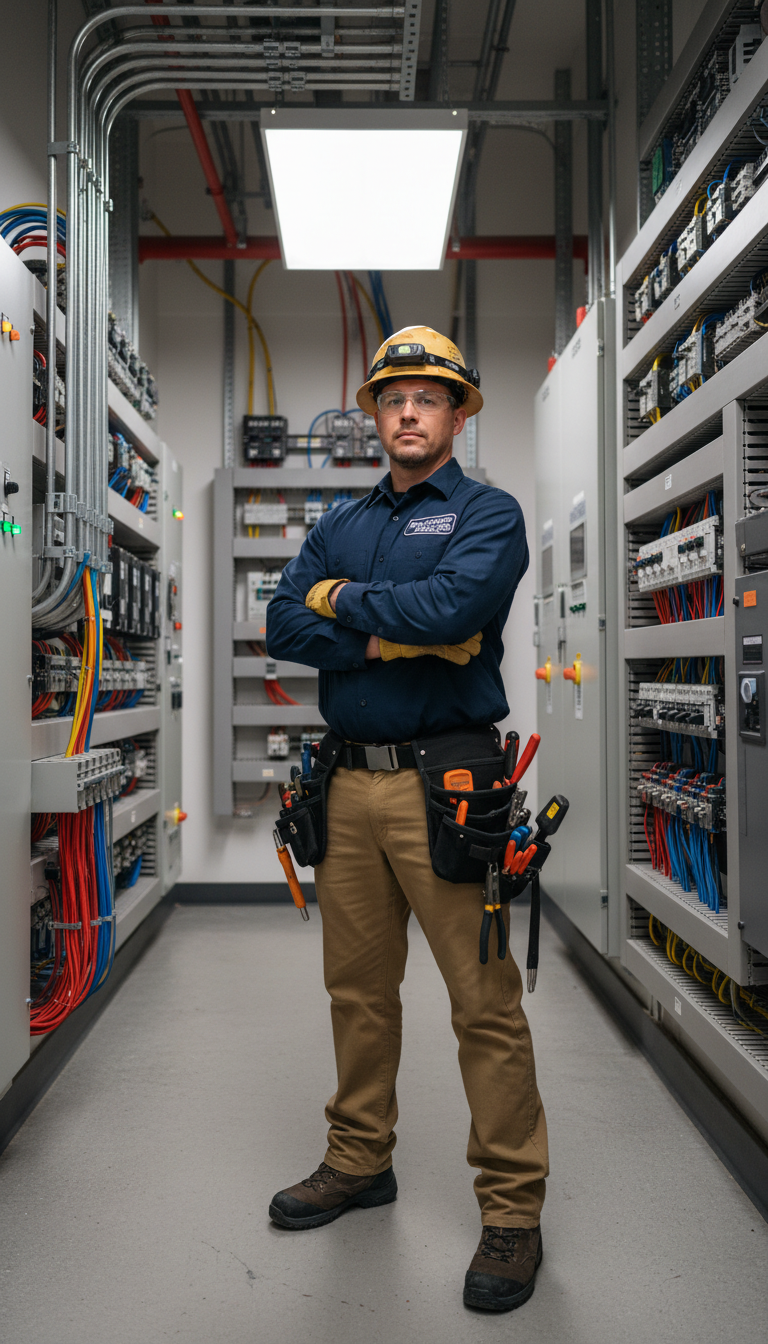
Hiring a licensed electrician provides peace of mind, knowing that the job is done correctly and safely. This can prevent costly repairs and potential dangers down the road.
Conclusion
Knowing when to call an electrician is crucial for maintaining a safe and functional home. By understanding your limits and recognizing warning signs, you can ensure that your DIY projects remain safe and successful. Remember, when in doubt, it's always best to consult a professional.