
DIY Electrical Safety Tips for Homeowners in Montgomery
Understanding the Basics of Electrical Safety
Electrical safety is crucial for homeowners, especially when tackling DIY projects. Understanding the basics can prevent accidents and ensure a secure environment. In Montgomery, where many homes are older, being aware of your electrical system's condition is key.
Before starting any project, ensure you know the location of your circuit breaker. Familiarize yourself with how to shut off power in case of an emergency. This simple step can prevent potential hazards.
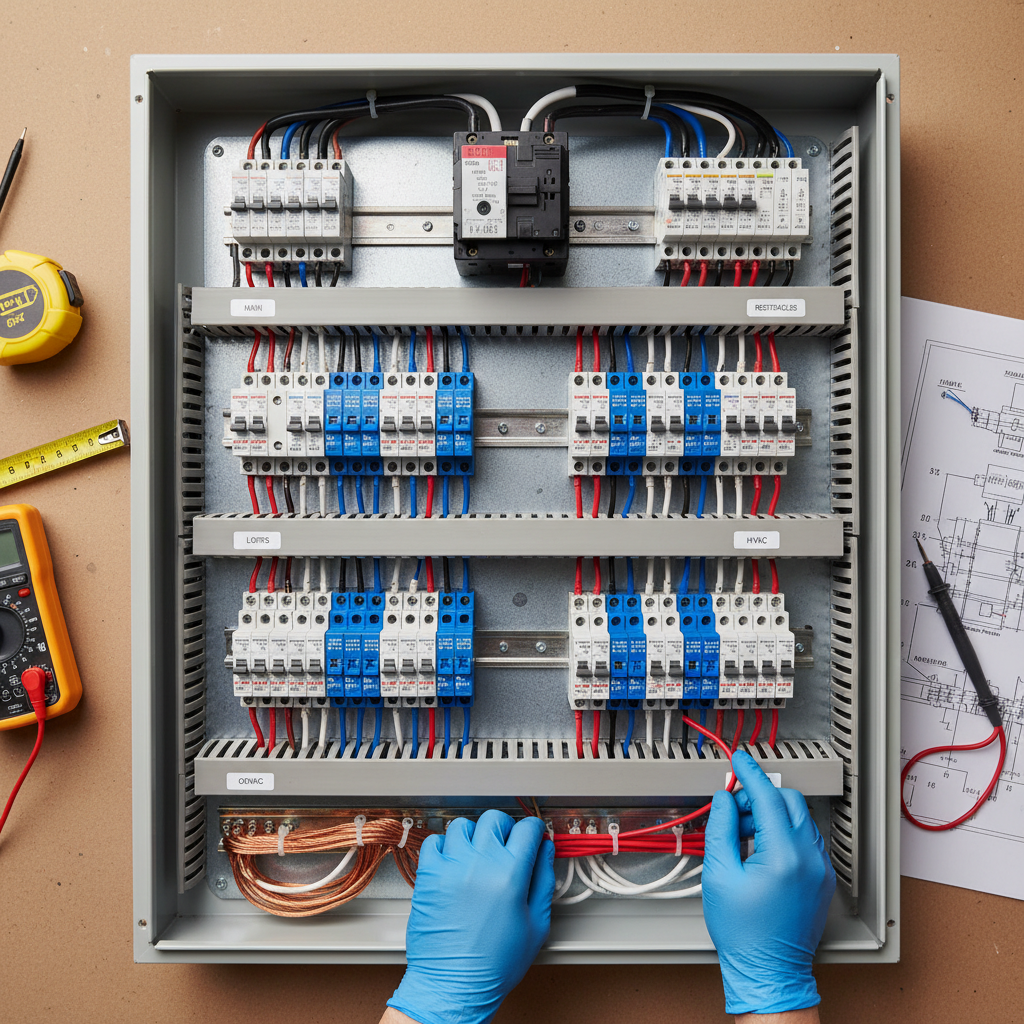
Another essential tip is to invest in a quality voltage tester. This tool is invaluable for confirming that an electrical current is not active when working on outlets or switches.
Using Proper Tools and Equipment
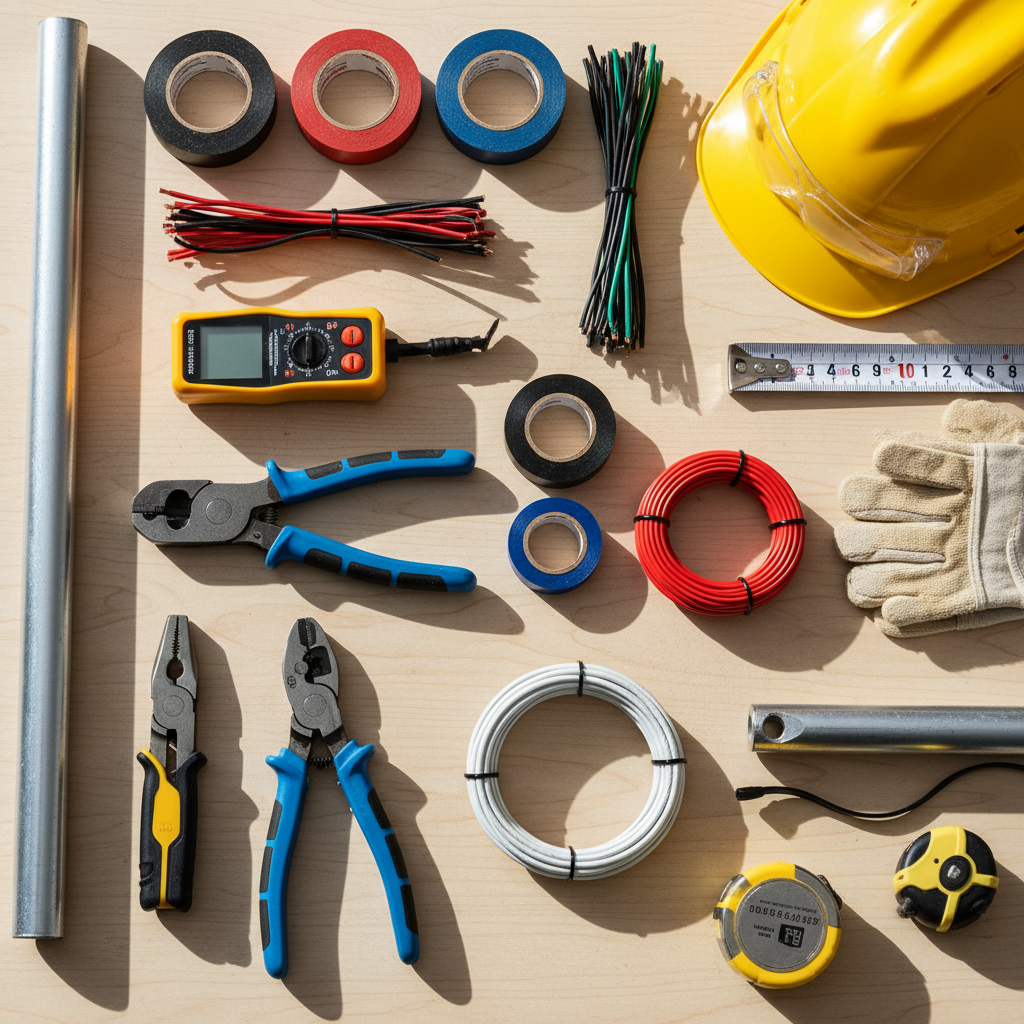
When performing electrical work, using the correct tools is vital. Insulated tools are a smart choice as they provide an extra layer of protection against electric shocks. Make sure all your equipment is in good condition and rated for the voltage you are working with.
Extension cords are commonly used in DIY projects, but they need to be handled with care. Avoid using them as permanent wiring solutions, as they are meant for temporary use only. Overloading extension cords can lead to overheating and fires.
Recognizing Warning Signs
Being able to identify warning signs in your home's electrical system can prevent serious issues. Flickering lights, warm outlets, or frequent circuit breaker trips are indicators of potential problems. These signs should not be ignored and may require professional evaluation.
If you notice a burning smell or see sparks, turn off the power immediately and contact an electrician. These are serious signs of electrical faults that need urgent attention.
Practicing Safe Habits
Good habits can enhance safety in your home. Always dry your hands before touching any electrical appliance, and keep liquids away from outlets and cords. It's also crucial to educate family members, especially children, about the dangers of electricity.
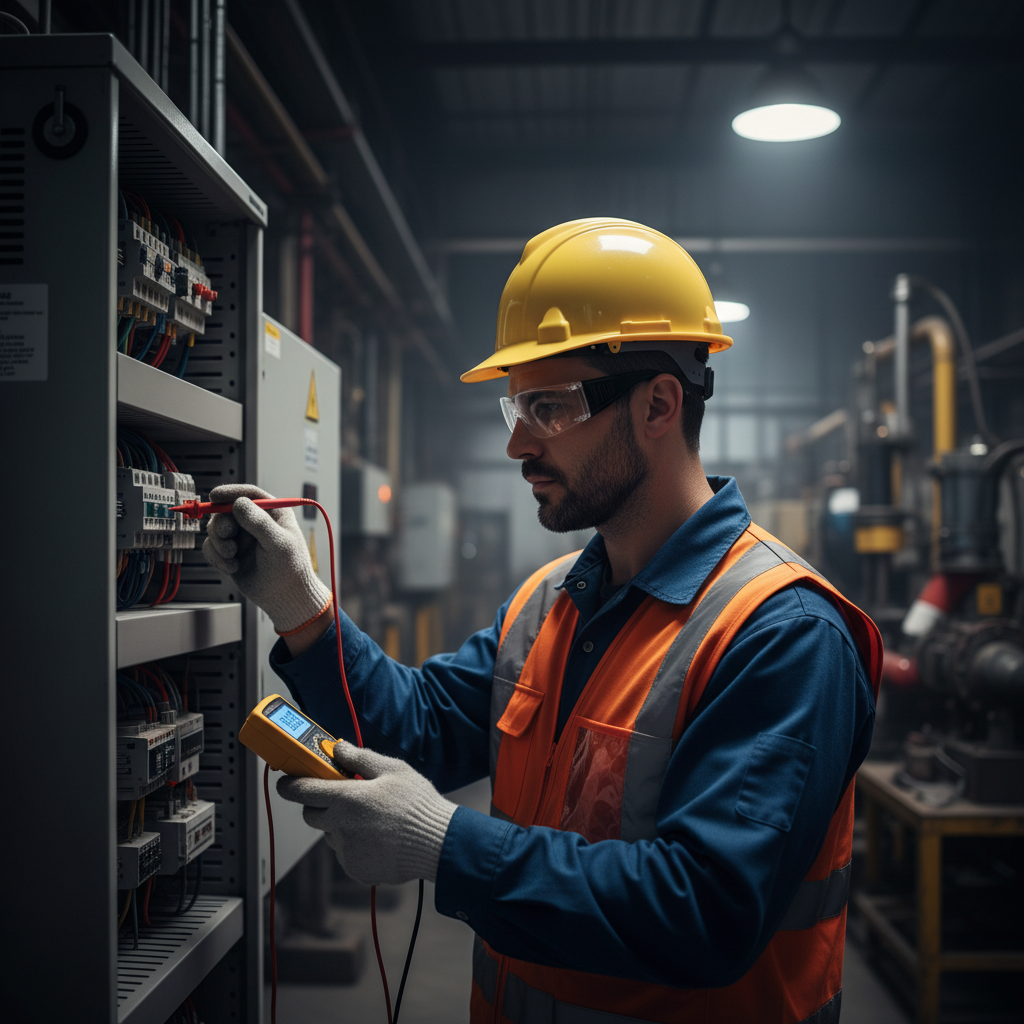
When working on a project, avoid rushing. Take your time to double-check connections and ensure everything is properly installed. A careful approach reduces the risk of mistakes and accidents.
Regular Maintenance and Inspections
Regular maintenance is essential to keep your home's electrical system in top shape. Schedule routine inspections with a licensed electrician to assess and address any issues. This proactive approach can prevent costly repairs and enhance safety.
Inspect your home's wiring and outlets periodically. Look for signs of wear and tear, such as frayed wires or loose outlets, and address them promptly to avoid hazards.