
Common Misconceptions About Electrical Safety and How to Avoid Them
Understanding Electrical Safety
Electrical safety is a crucial aspect of maintaining a safe home or workplace. However, there are many misconceptions that can lead to dangerous situations. Understanding the truth behind these common myths is essential for keeping yourself and others safe.
Myth 1: Low Voltage Means No Danger
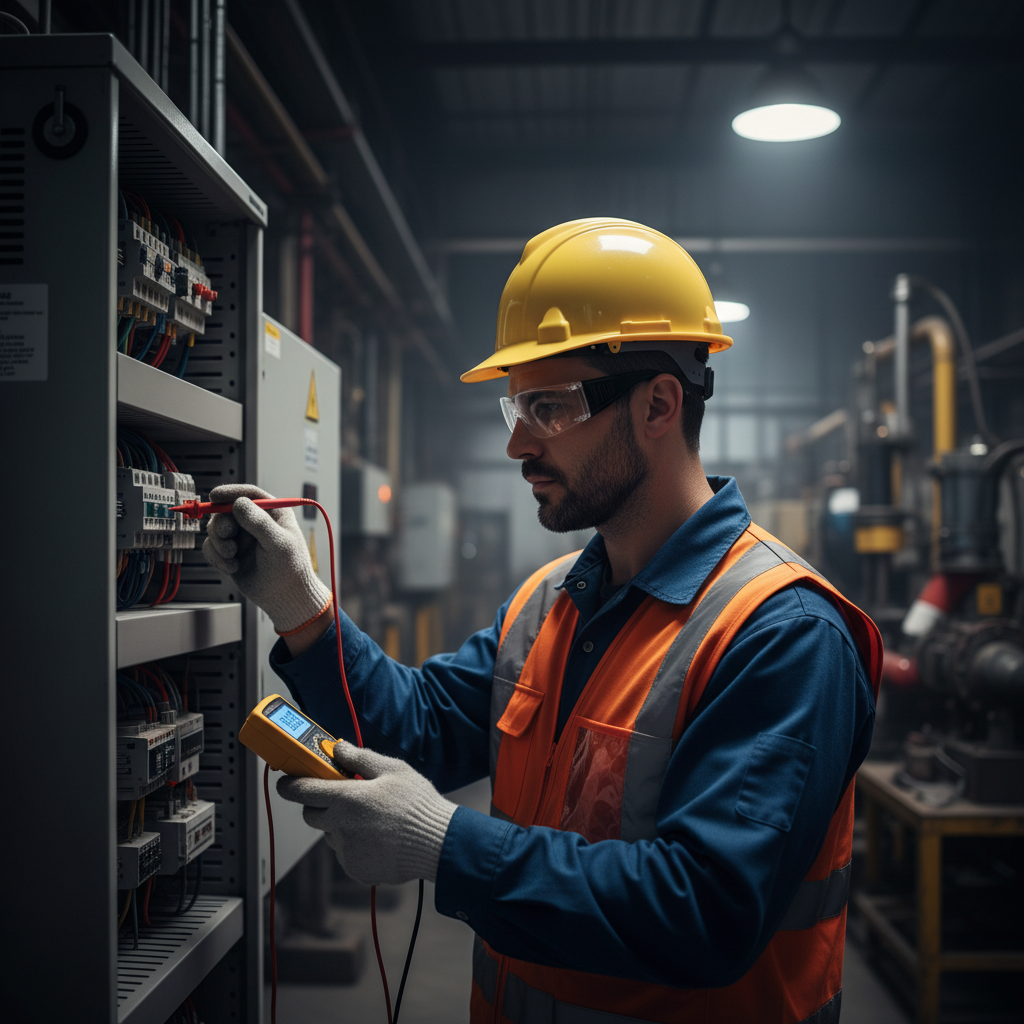
One of the most prevalent misconceptions is that low voltage is safe. While it's true that low voltage poses less risk than high voltage, it can still be hazardous. Even at low levels, electricity can cause shocks or fires if not handled properly.
Always treat electricity with respect and ensure you use the correct equipment and procedures, regardless of voltage levels. It's better to be overly cautious than risk an accident.
Myth 2: Only Electricians Need to Worry About Electrical Safety
Many people believe that electrical safety is only a concern for professionals. This is far from the truth. Whether you're at home or work, everyone should be aware of basic electrical safety practices to prevent accidents.
- Regularly inspect cords and outlets for damage.
- Never overload power strips or outlets.
- Unplug appliances when not in use.
Myth 3: Household Current Isn’t Dangerous
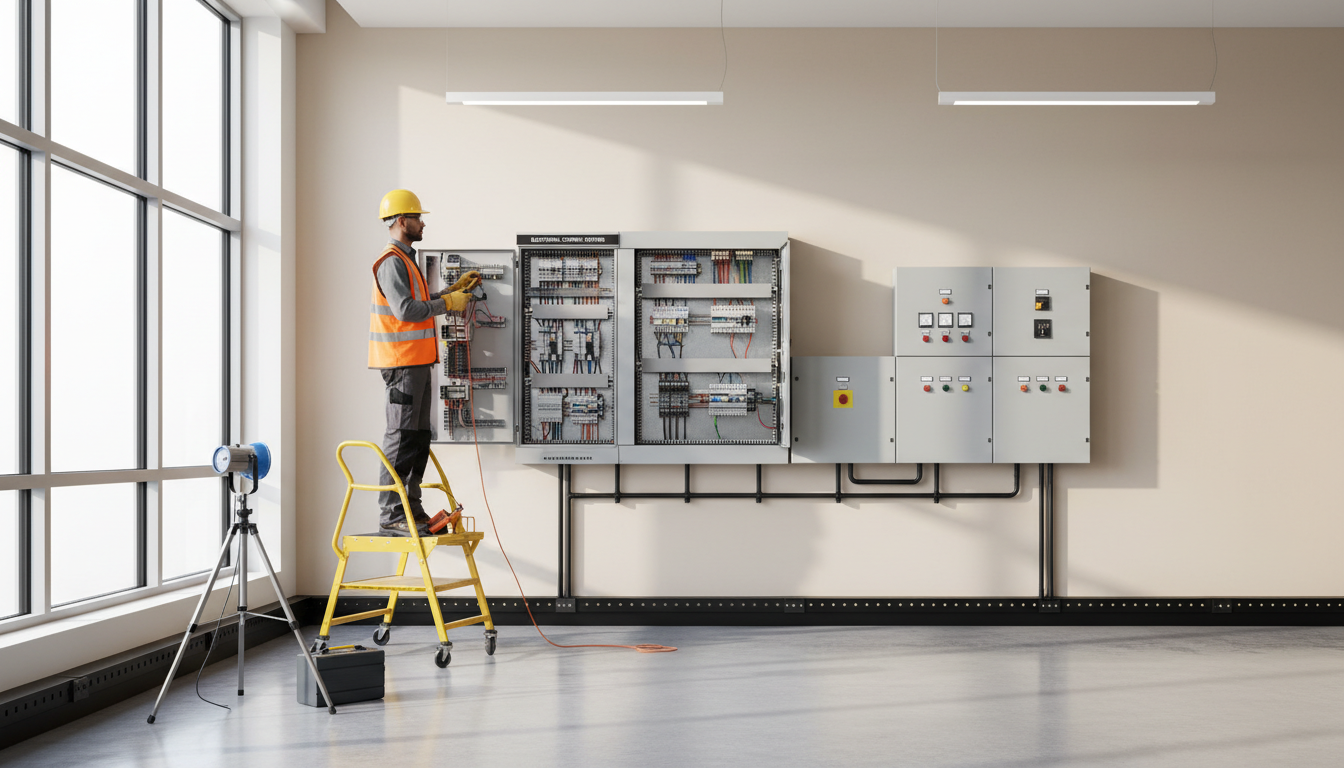
Some assume that the current in a typical household circuit isn't dangerous. However, even standard household current can be lethal under certain conditions. It's essential to always follow safety protocols and never underestimate the power of electricity.
Using Ground Fault Circuit Interrupters (GFCIs) and ensuring your wiring is up to code can significantly reduce the risk of electrical shock.
Myth 4: Rubber Gloves Are Enough Protection
Another misconception is that rubber gloves provide sufficient protection against electrical hazards. While rubber can insulate against electricity, not all rubber gloves are designed for electrical work. Properly rated insulating gloves are necessary for safety.
How to Enhance Electrical Safety
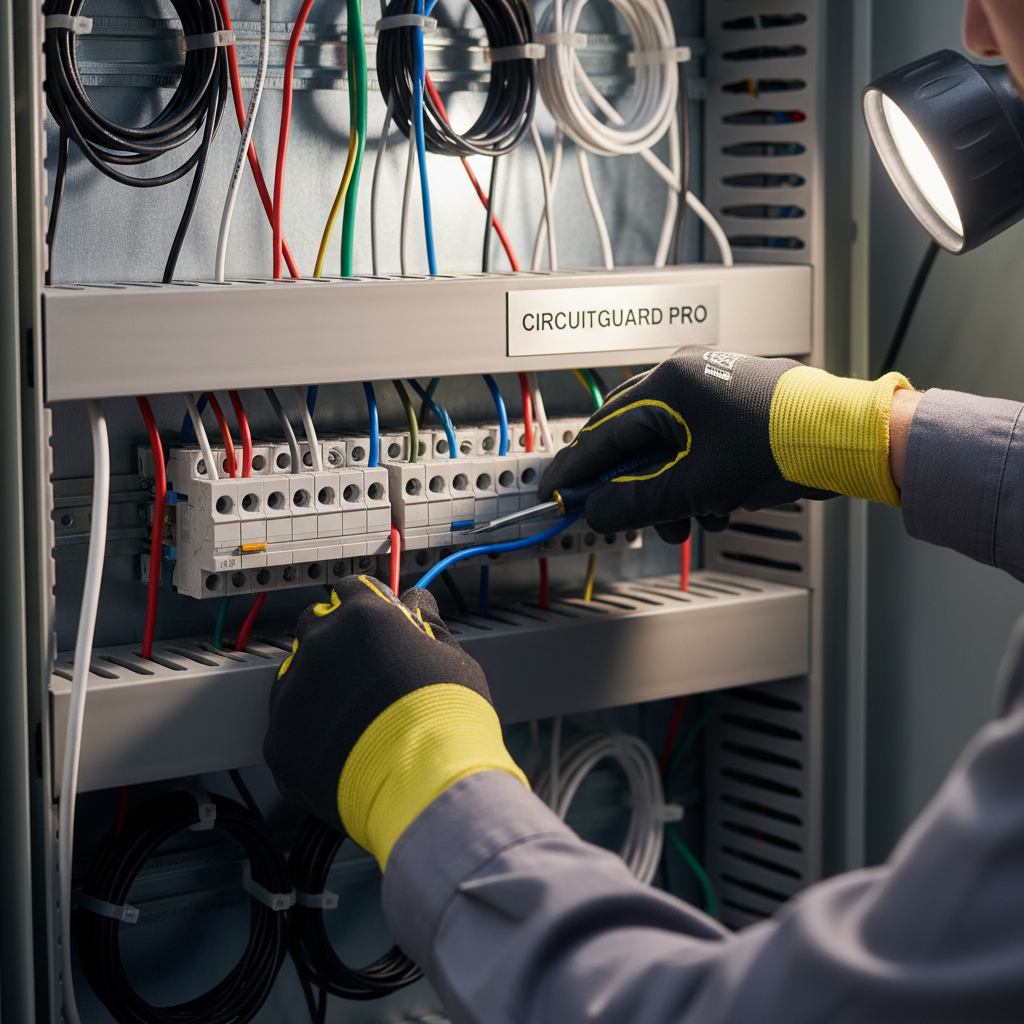
Understanding and dispelling these myths is just the beginning. To enhance electrical safety, consider implementing the following strategies:
- Regularly schedule professional electrical inspections.
- Educate everyone in your household or workplace about basic electrical safety.
- Invest in surge protectors and other safety devices.
By staying informed and taking proactive measures, you can significantly reduce the risk of electrical accidents in your environment.