
Common Misconceptions About Electrical Repairs and Safety
Understanding Electrical Safety: Common Myths Debunked
Electrical repairs are a critical part of maintaining a safe and functional home, but there are many misconceptions that can lead to unsafe practices. Understanding the truth behind these myths is vital for ensuring both safety and efficiency in your electrical systems.
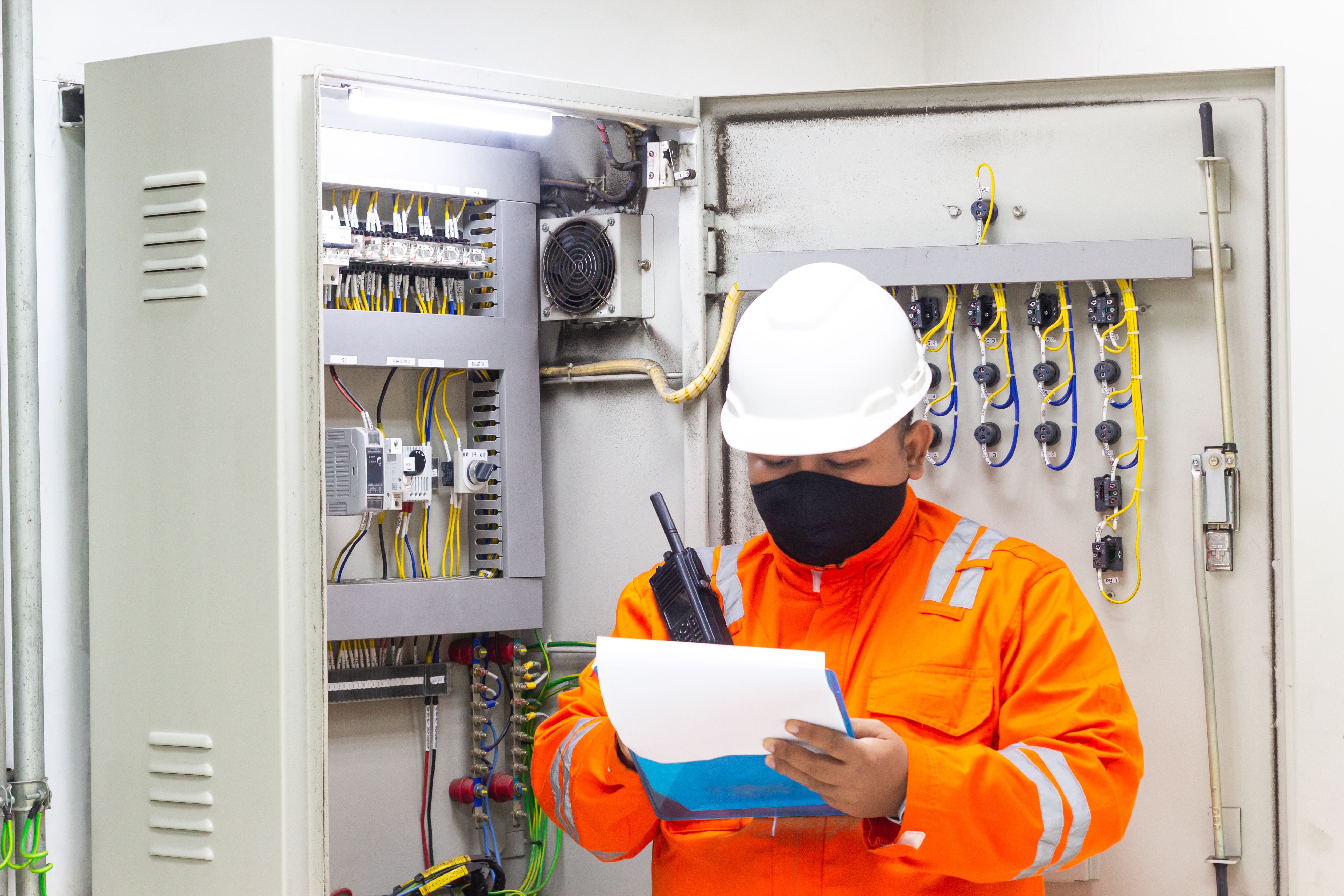
Myth 1: DIY Electrical Work is Always Safe
Many homeowners believe that they can handle minor electrical repairs themselves. While it's true that some tasks may seem simple, electrical work can be dangerous if not done correctly. Safety standards and regulations are in place for a reason, and ignoring them can lead to serious hazards such as electrical fires or shocks.
Hiring a certified electrician ensures that the job is done correctly and safely. Professionals possess the knowledge and tools necessary to perform repairs without compromising safety.
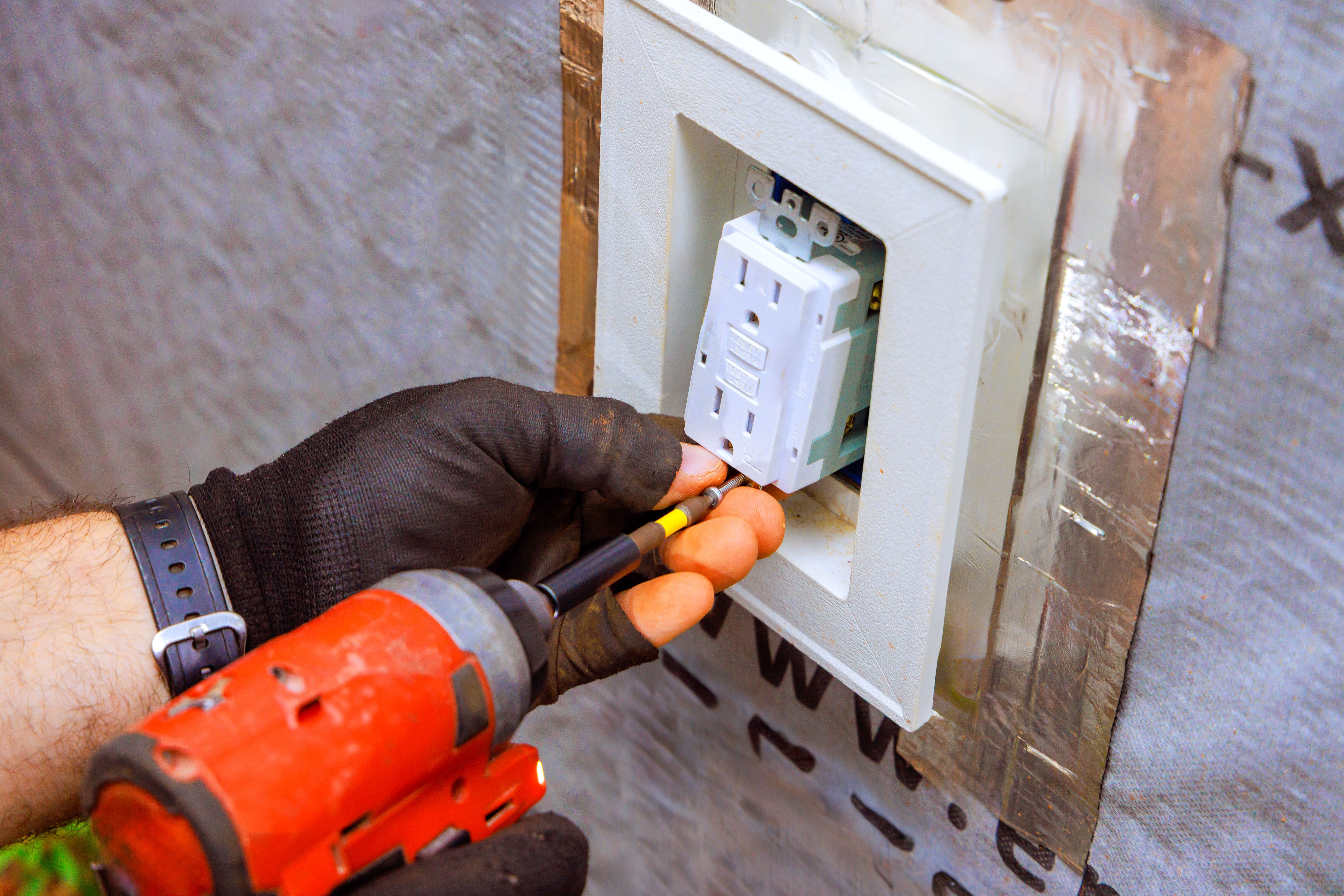
Myth 2: Circuit Breakers Provide Complete Protection
Circuit breakers are essential for preventing electrical overloads, but they are not foolproof. Some people assume that if a circuit breaker hasn't tripped, everything is functioning correctly. However, circuit breakers can fail or become outdated, which means they may not provide the protection you expect.
Regular maintenance and inspections by a professional can help identify potential issues before they become serious problems. Upgrading to modern circuit breakers can also enhance safety.
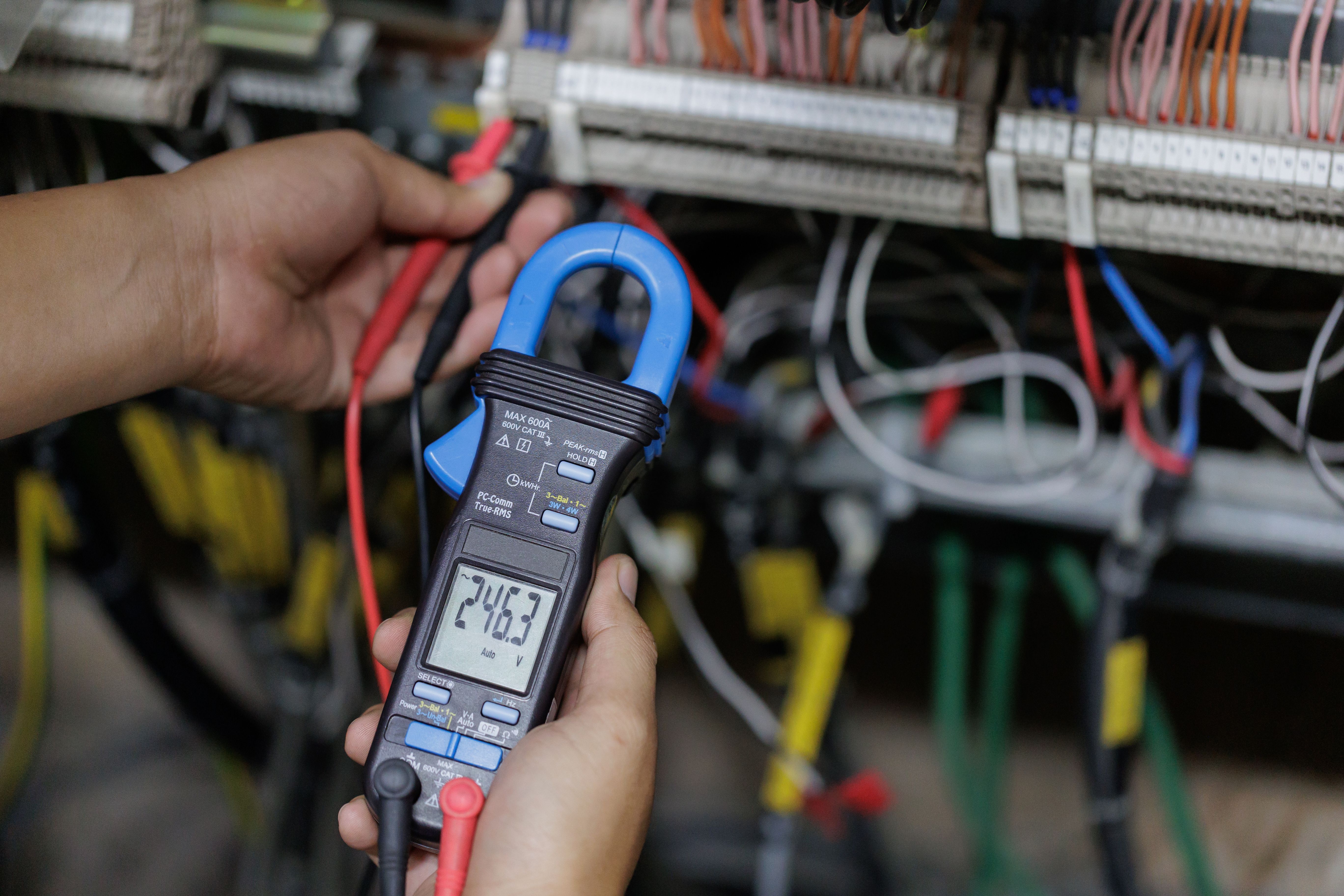
Myth 3: Low Voltage Means Low Hazard
Another common misconception is that low-voltage systems, such as those used for doorbells or landscape lighting, are harmless. While they may seem less intimidating, low-voltage systems can still pose risks, especially if they are improperly installed or maintained.
It's essential to treat all electrical systems with caution and respect. Even low-voltage systems can cause shocks or fires if not handled correctly.
Myth 4: All Wires Are the Same
Not all electrical wires are created equal. Different wires are designed for specific uses, and using the wrong type can lead to overheating and fires. It's important to choose the right wire for the job and ensure that it is installed correctly.
Consulting with a professional electrician will help you understand the specific requirements for your project and ensure that the correct materials are used.
Final Thoughts on Electrical Safety
Electrical safety is not something to be taken lightly. By understanding and debunking these common myths, you can make informed decisions about your electrical systems and repairs. Always prioritize safety and seek professional assistance when needed.
Remember, a small mistake in electrical work can lead to significant consequences. Stay informed, stay safe, and don't hesitate to call in the experts for your electrical needs.