
Common Electrical Myths Debunked by Experts
Understanding Electrical Myths
Electricity is a fundamental part of our daily lives, yet misconceptions about it are widespread. These myths can lead to confusion and even unsafe practices. In this post, we will debunk some common electrical myths with insights from experts.
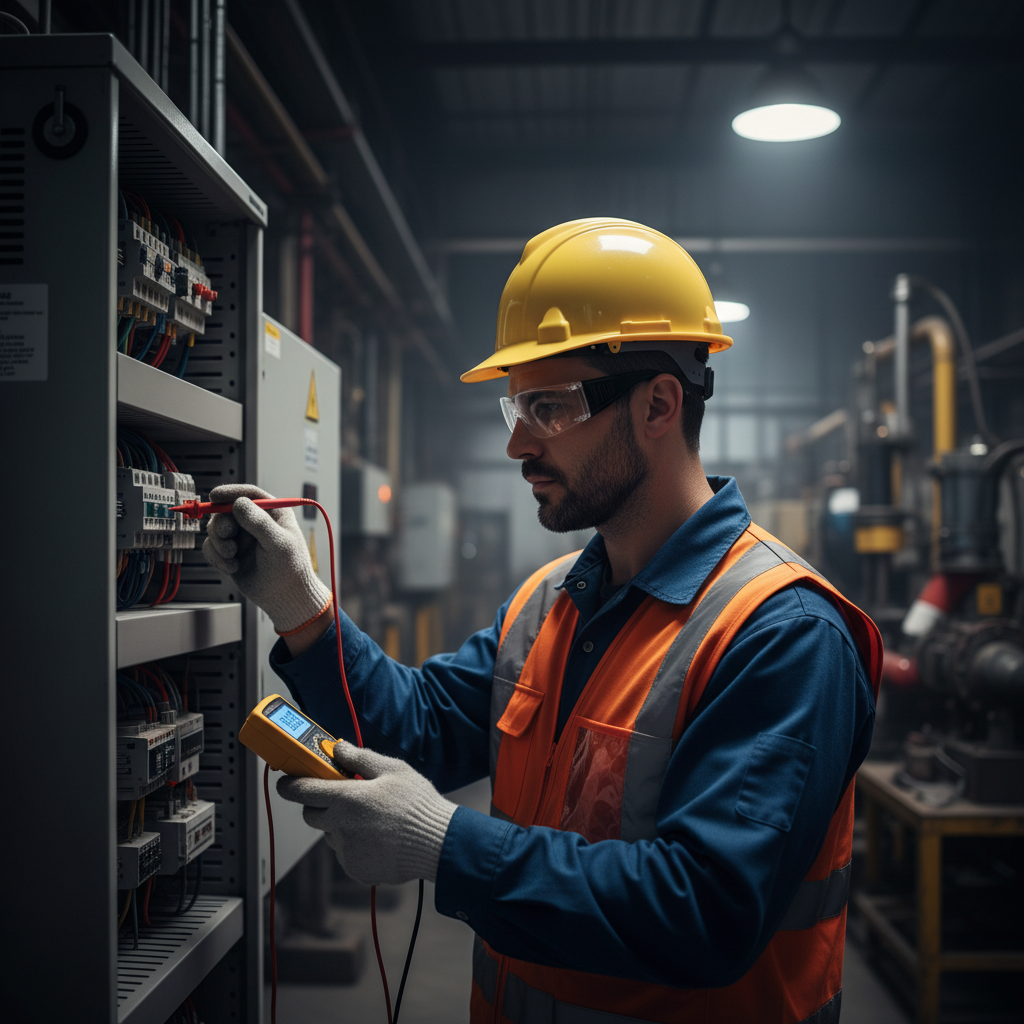
Myth: Rubber Gloves Always Protect You
Many people believe that wearing rubber gloves provides complete protection from electrical shocks. However, not all rubber gloves are created equal. Only gloves specifically designed for electrical work can offer adequate protection. Ordinary rubber gloves may not have the necessary insulation properties.
Experts recommend using gloves that are rated for electrical work and regularly inspecting them for any signs of wear or damage. It's crucial to follow proper safety guidelines when handling electrical equipment.
Myth: Low Voltage Means No Danger
It's a common misconception that low voltage is not dangerous. In reality, even low-voltage systems can pose significant risks. Low voltage does not equate to low risk; factors like current and exposure time play critical roles in potential hazards.
Electricians emphasize that it's essential to approach all electrical systems with caution, regardless of voltage. Proper training and equipment are vital for safely handling any electrical task.
Myth: Power Strips Can Handle Unlimited Devices
Power strips are convenient for adding extra outlets, but they are not designed to handle an unlimited number of devices. Overloading a power strip can lead to overheating and potentially cause a fire.
Experts suggest checking the power rating of a power strip and ensuring the total load does not exceed its capacity. It's also wise to use power strips with built-in surge protection for added safety.

Myth: Electrical Wiring Lasts Forever
Some people assume that once electrical wiring is installed, it will last indefinitely. However, like any other part of a home, wiring can deteriorate over time. Factors such as material quality, installation practices, and environmental conditions can affect longevity.
Regular inspections by a qualified electrician can help identify potential issues before they become serious problems. Upgrading old or damaged wiring is essential for maintaining a safe electrical system.
Conclusion
Understanding the realities behind these common electrical myths can help promote safer practices at home and work. Always rely on professional advice and adhere to safety standards to prevent accidents and ensure a secure electrical environment.