
A Comprehensive Guide to Rewiring Older Homes in Texas
Understanding the Need for Rewiring
If you own an older home in Texas, it may be time to consider rewiring. Many homes built before the 1980s have outdated electrical systems that can pose safety hazards and limit your use of modern appliances. Rewiring ensures that your home meets current safety standards and supports today's technology needs.

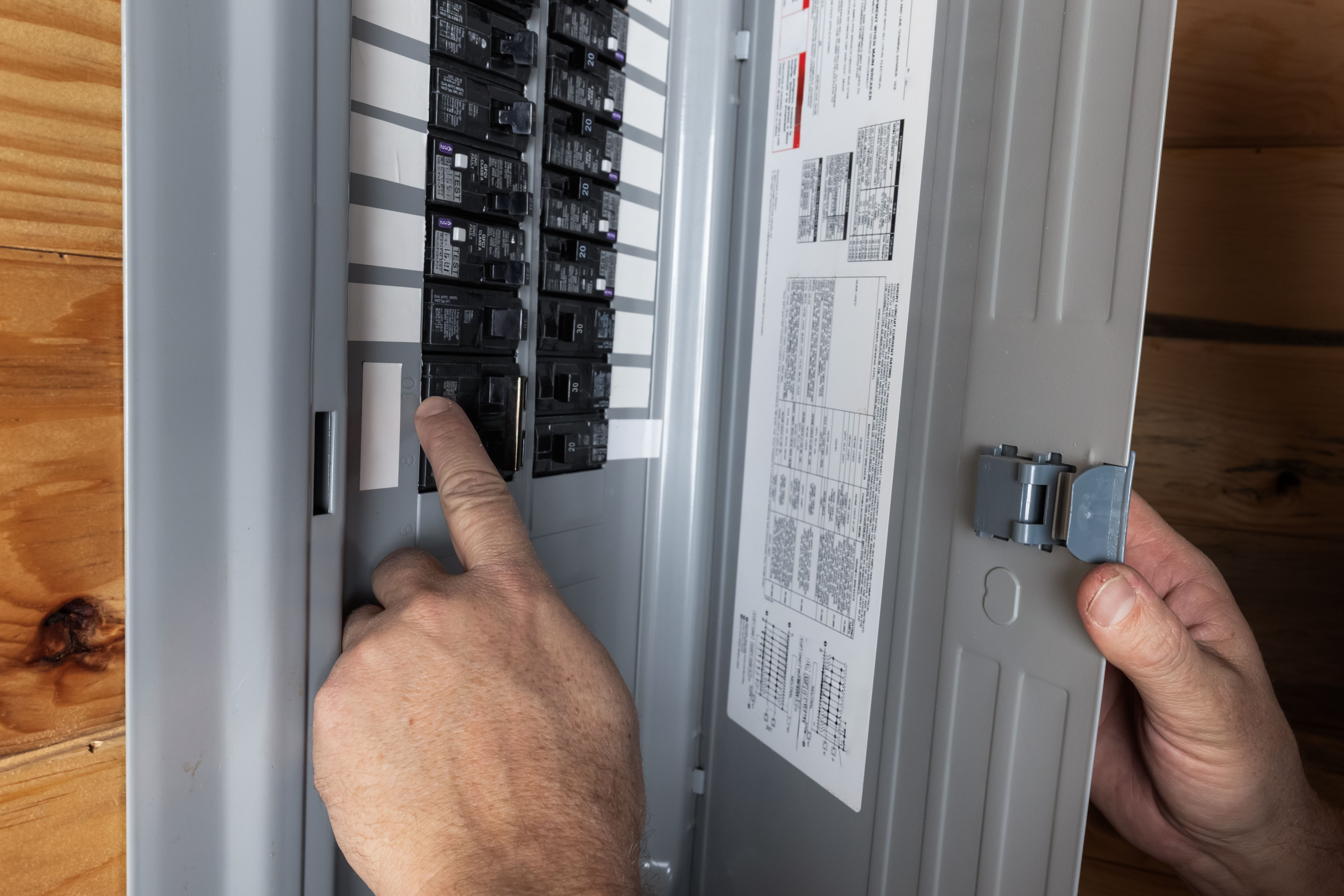
Signs that your home may need rewiring include frequent circuit breaker trips, flickering lights, and the presence of two-prong outlets. These issues not only inconvenience you but also signal potential fire risks. Addressing these problems can enhance your home's safety and functionality.
Planning the Rewiring Process
Before you start rewiring your home, it's essential to plan effectively. Begin by hiring a licensed electrician who understands Texas building codes. An experienced professional will assess your current wiring system and recommend necessary upgrades.
A detailed inspection will reveal which parts of your electrical system need replacing. Your electrician will help you decide whether a full or partial rewiring is required. It's crucial to plan your budget accordingly, as costs can vary based on the extent of the work needed.
Permits and Regulations
In Texas, you'll need to obtain the appropriate permits before beginning any electrical work. Your electrician can guide you through this process, ensuring compliance with local regulations. Adhering to these rules not only keeps your project legal but also ensures safety standards are met.
Choosing the Right Materials
Selecting the right materials is a vital part of the rewiring process. Copper wiring is generally preferred due to its durability and excellent conductivity. Additionally, consider installing new outlets and switches that complement your home's aesthetic while providing modern functionality.

Your electrician can recommend materials that fit your budget and meet your home's specific needs. Quality materials ensure reliability and longevity, preventing future issues and repairs.
Executing the Rewiring Project
Once the planning and material selection are complete, the actual rewiring work can begin. This phase involves removing outdated wiring and installing new systems. It may also include upgrading your electrical panel to handle increased power demands.
During this time, be prepared for some disruption, as walls may need to be opened and power temporarily shut off. Clear communication with your electrician can help minimize inconvenience and keep the project on track.
Final Inspections and Safety Checks
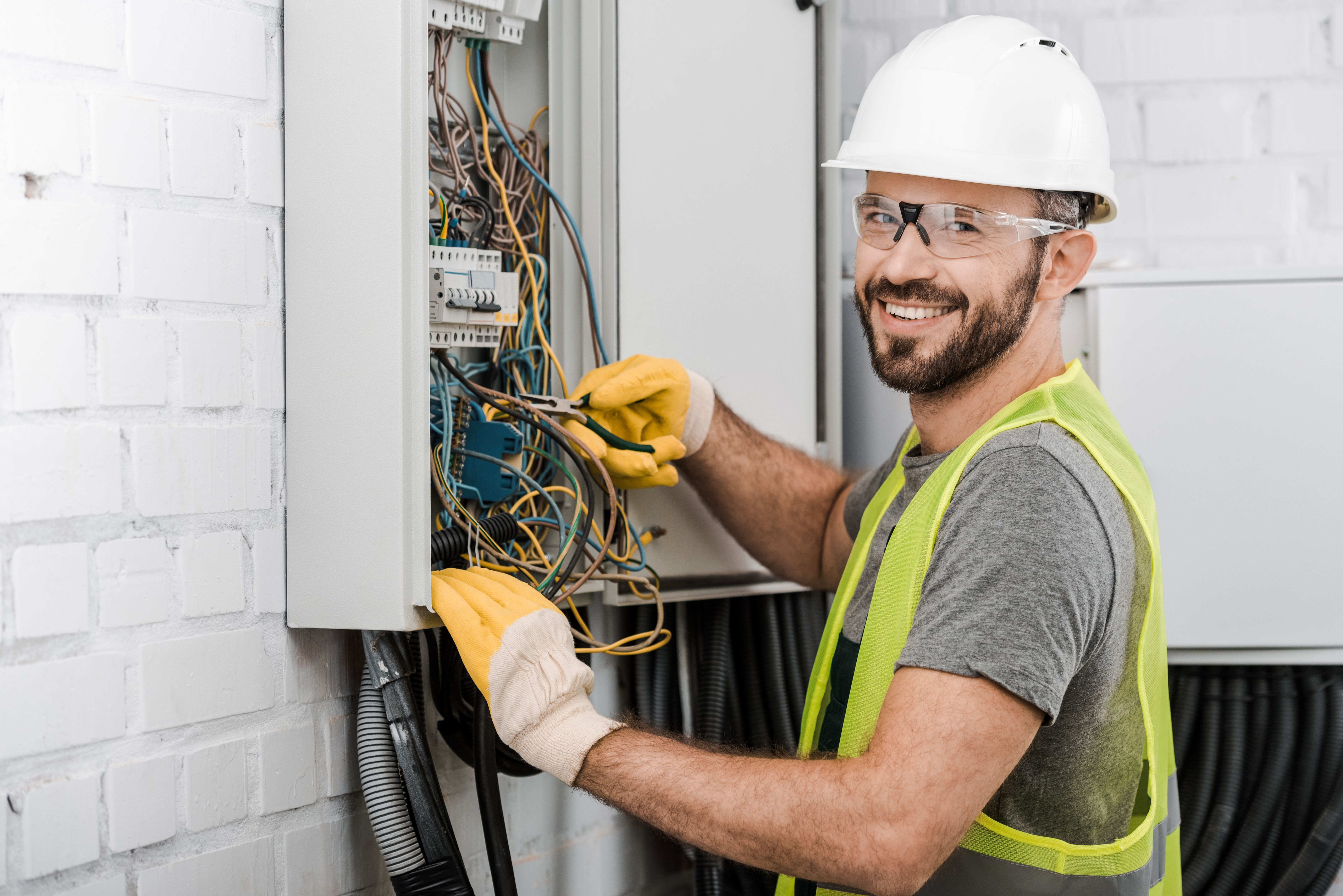
After the rewiring is completed, a thorough inspection ensures everything is up to code. Your electrician will conduct safety checks to verify that all connections are secure and functioning correctly. Passing this inspection is crucial for the safety and legality of your home’s electrical system.
Regular maintenance and periodic inspections can prolong the life of your new wiring and prevent potential problems. Keeping your electrical system in good condition ensures your home remains safe and efficient for years to come.